Setback from property line: site planning catalog
Choose a structure or utility and compare the local checks that shape its location: property-line setbacks, easements, sanitary separation, fire access and source links.
Shown 14

Outbuilding
Garden shed
Auxiliary · depends on foundation
- Permit Often no permit if ≤200 sq ft (one story); zoning/setbacks still apply
- Setback to side/rear boundary Typically ~5–15 ft side, ~20–40 ft rear (set by local zoning)

Garden structure
Greenhouse
Auxiliary · usually lightweight
- Permit Check the local building code
- Setback to boundary Typically ~5–15 ft side, ~20–40 ft rear (local zoning)

Garden structure
Swimming pool
Auxiliary · usually permanent
- Permit Check the local building code
- Local code check Use the local municipality / emirate / county requirements before final placement.

Bath & shower
Bathhouse / sauna
Auxiliary · usually permanent
- Permit Check the local building code
- Setback to boundary Typically ~5–15 ft side, ~20–40 ft rear (set by local zoning)
- Wood-fired heat clearance Set by local building/fire code — verify before building
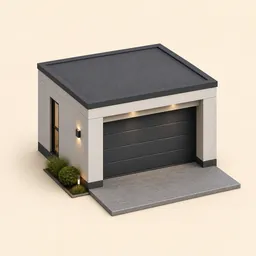
Outbuilding
Garage
Auxiliary · usually permanent
- Permit Check the local building code
- Setback to boundary Typically ~5–15 ft side, ~20–40 ft rear (local zoning)
- On the boundary? Only if local zoning permits; fire-rated wall may apply
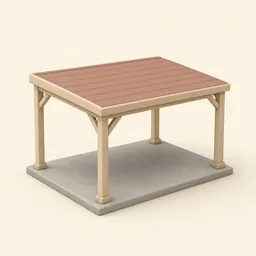
Outbuilding
Carport / canopy
Auxiliary · usually lightweight
- Permit Check the local building code
- Setback to boundary Typically ~5–15 ft side, ~20–40 ft rear (local zoning)

Bath & shower
Outdoor shower
Auxiliary · usually lightweight
- Permit Check the local building code
- Distance to boundary / greywater Set by local zoning & health code — check before building

Animal housing
Poultry / rabbit house
Auxiliary · depends on foundation
- Permit Check the local building code
- Animal yard/manure to well 50–100 ft (state/Title 5 guidance)
- Setback to boundary Set by local zoning/animal ordinance — verify

Sanitation facility
Outdoor toilet
Auxiliary · usually lightweight
- Permit Check the local building code
- Pit privy to well 100 ft preferred, never <50 ft (MI health code)
- Nonportable privy to well (MN) 50 ft minimum

Sanitation facility
Septic tank / treatment unit
Auxiliary · usually permanent
- Permit Check the local building code
- Septic tank to well ≥50 ft (Title 5 / state)
- Drainfield to well ≥100 ft typical (Title 5)
- Setback to property line Set by local/state permit — check health dept

Water source
Well / borehole
Auxiliary · depends on foundation
- Permit Check the local building code
- Well to septic tank ≥50 ft (MN state health code)
- Well to drainfield ~100 ft typical (Title 5); 50 ft minimum in MN
- Well to buried sewer 20 ft (approved pipe) to 50 ft (MN)

Composting area
Compost bin
Auxiliary · usually lightweight
- Permit Check the local building code
- Compost/manure to well 50–100 ft as a guide (state/Title 5)
- Odour/runoff to boundary Keep clear of neighbour — set by local nuisance/zoning

Open-fire facility
Barbecue grill / mangal
Auxiliary · usually lightweight
- Permit Check the local building code
- Grill to combustible construction 10 ft (IFC §308.1.4; 1–2 family dwellings exempt)

Open-fire facility
Fire pit
Auxiliary · usually lightweight
- Permit Check the local building code
- Recreational fire to structure ≥25 ft (IFC §307.4.2)
- Open burning (uncontained) to structure ≥50 ft (IFC §307.4); ≥15 ft in an approved container
- Local burn bans May apply seasonally — check city/county
Site plan checklist: property lines, setbacks and utilities
A setback is not one nationwide distance. The controlling requirement can change by city or county, zoning district, lot position, structure type and size, easements, fire or health rules, and recorded private restrictions. Use this catalog to organize questions and compare layouts, then verify the current rules for the parcel.
- Start with a verified boundary. Use a current survey or recorded documents when accuracy matters. An online parcel or satellite layer is useful for orientation, but it does not establish a legal property line; see the separate property line map workflow.
- Identify every controlling line. Mark front, side and rear property lines, street rights-of-way, recorded access and utility easements, drainage areas, buffers and any HOA restrictions. Do not treat a fence as proof of the boundary.
- Check the exact object. A house, addition, shed, garage, pool, septic system and well can follow different zoning, building, fire and health-department paths. Measure to projections such as eaves when the local rule requires it.
- Draw existing and proposed conditions together. Show footprints, dimensions, distances between structures, driveways, parking, water and sewer or septic, wells, utilities, grading and drainage. The official residential checklists from Vancouver, Washington and Bellevue, Washington illustrate this combined approach; your jurisdiction may require a different set.
- Compare complete alternatives. Keep access, maintenance, runoff and future work visible while moving objects. Review the relevant site constraint zones, then build the scaled site plan and label every assumption that still needs local confirmation.
Important: Gardmi is an early planning workspace, not a boundary survey, code determination, permit set or professional design. Confirm the parcel boundary, zoning district, adopted codes, easements, utilities, health requirements and permit path with the relevant local authority and qualified professionals before construction.
Garden planner app for phone and computer
- An icon on the home screen — back to your plot in one tap
- Full screen without the address bar — more room for the plan
- The same projects on phone and computer — cloud autosave

You are already in the app — gardmi is installed.