Aerated block vs brick: which is better
The main question of house building: warm lightweight aerated concrete versus strong durable brick.
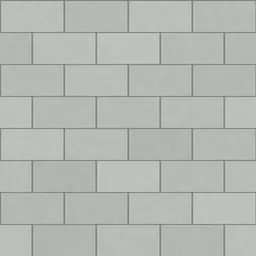 Aerated block140 $/m³
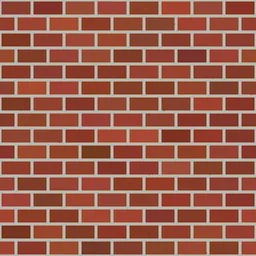 Brick280 $/m³
Key differences
- Aerated block is roughly 50% cheaper (140 $/m³ vs 280 $/m³).
- Aerated block is warmer: lower thermal conductivity (0.12 vs 0.56 W/(m·K)).
- Brick handles moisture better: 10% water absorption vs 20%.
- Brick is stronger in compression (15 MPa vs 2.5 MPa).
Specifications side by side
| Property | Aerated block | Brick |
|---|---|---|
| Average price (United States) | 140 $/m³ | 280 $/m³ |
| Thermal conductivity | 0.12 W/(m·K) | 0.56 W/(m·K) |
| Density | 500 kg/m³ | 1800 kg/m³ |
| Water absorption | 20 % | 10 % |
| Vapour permeability | 0.2 mg/(m·h·Pa) | 0.14 mg/(m·h·Pa) |
| Compressive strength | 2.5 MPa | 15 MPa |
| Frost resistance | 50 cycles | 50 cycles |
| Combustibility | Non-combustible | Non-combustible |
Typical reference values (SP 50.13330 / GOST); the actual figures depend on the manufacturer and grade.
Where each one fits
- Aerated block
- Exterior and interior walls of private houses and low-rise buildings.
- Brick
- Load-bearing walls of houses, garages, fences and outbuildings.
App

Garden planner app for phone and computer
- An icon on the home screen — back to your plot in one tap
- Full screen without the address bar — more room for the plan
- The same projects on phone and computer — cloud autosave
gardmi
Garden site planner · free
You are already in the app — gardmi is installed.