Zonas de protección y retranqueos — España
Elige una zona y consulta el pasaporte de planificación: cuántos metros, qué está prohibido dentro, una tabla por país y enlaces a las fuentes.
Mostrado 16
Electricidad
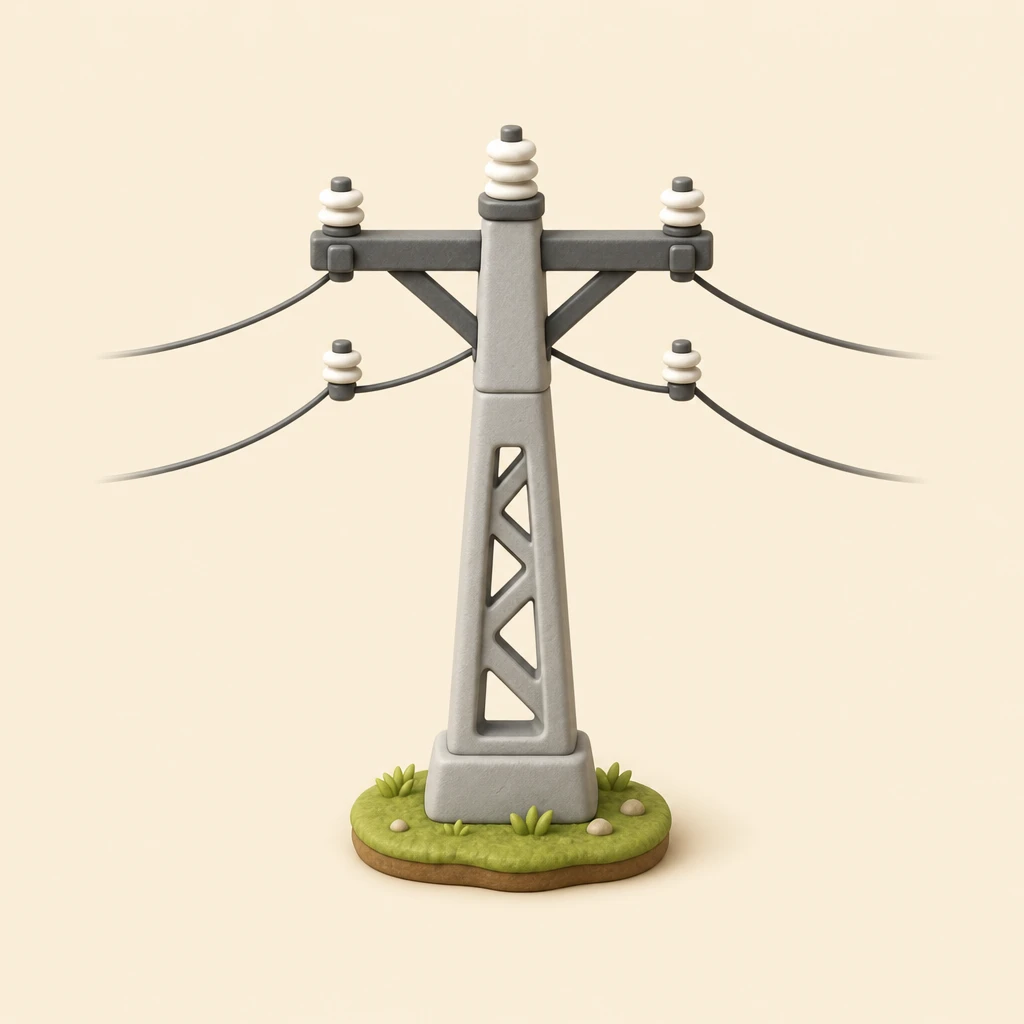
Zona de protección de líneas eléctricas
La zona de protección de una línea eléctrica aérea se mide desde los conductores exteriores a cada lado y aumenta con la tensión. Dentro de ella, la edificación y muchas obras requieren el consentimiento del gestor de la red.
El RD 223/2008 proporciona una fórmula (≈ oscilación del conductor + 3,2 + U/150, mín. 5 m); valores redondeados.
Electricidad
Zona de protección de cable subterráneo
Un cable eléctrico enterrado tiene una banda de protección estrecha a cada lado. Sobre él, las obras de construcción y movimiento de tierras están restringidas para mantener el cable accesible y sin daños.
Aprox. 1 m a cada lado de la ruta del cable.
Fuente de agua
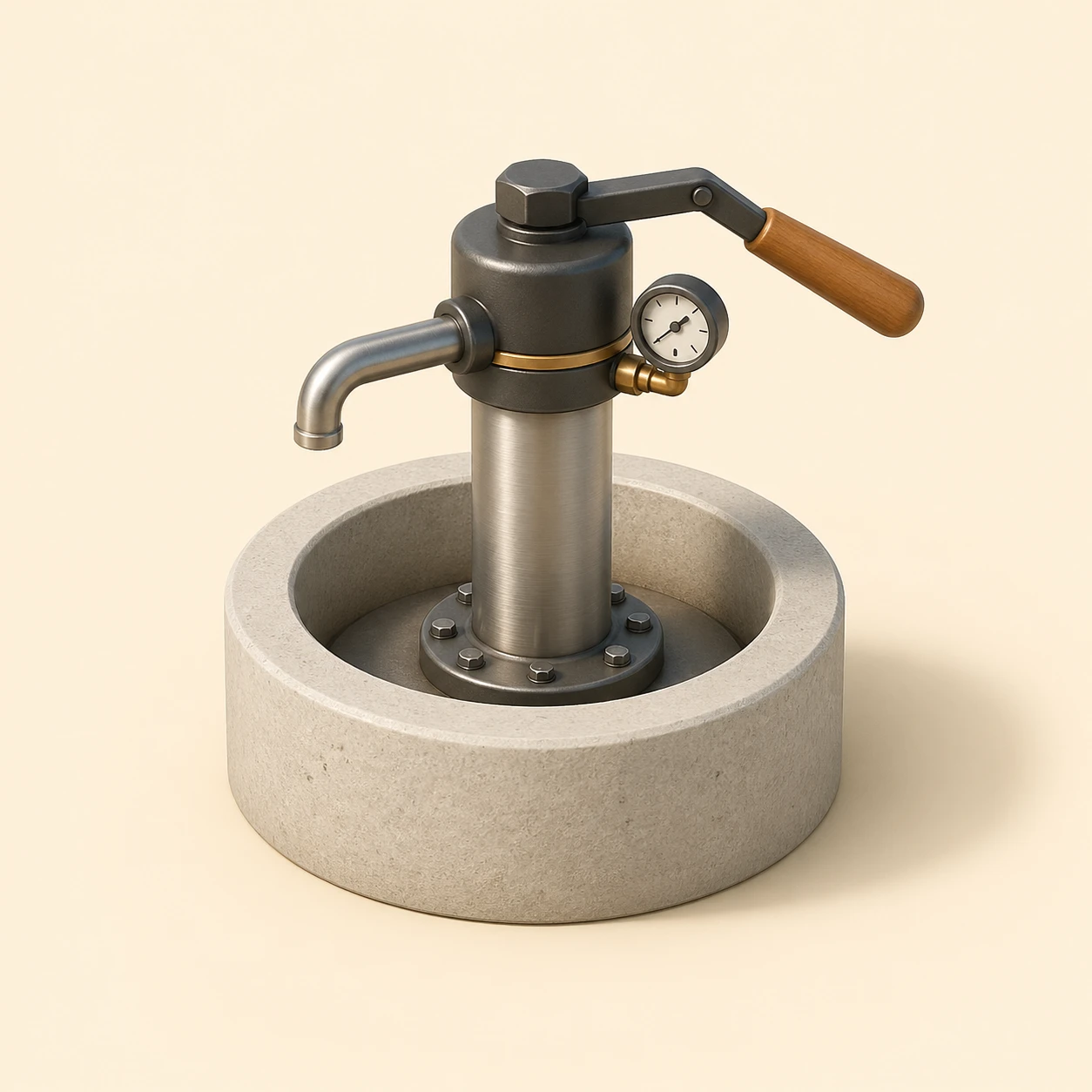
Pozo / zona sanitaria de perforación
Alrededor de una fuente de agua potable no se pueden colocar fuentes de contaminación. La zona protege el agua de sistemas sépticos, inodoros, compost y almacenes de productos químicos.
No se aplica una única distancia de separación nacional a todas las parcelas. Compruebe el municipio, el código regional y las servidumbres de servicios públicos antes de fijar esta zona en el plano.
Saneamiento
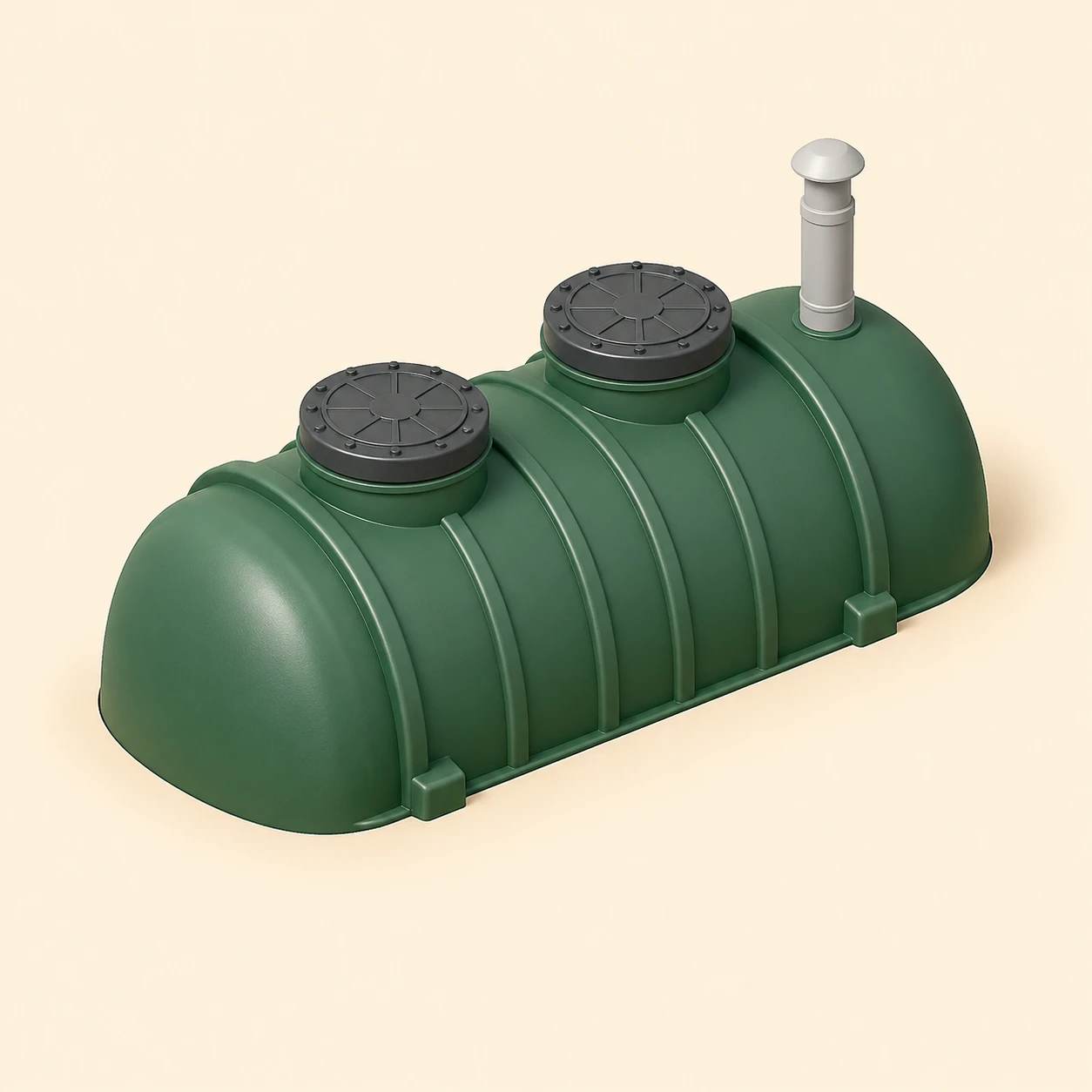
Distancias de fosa séptica
Una fosa séptica se coloca a una distancia de la casa, para que no socave los cimientos y el olor no llegue a las ventanas, y bien lejos de cualquier fuente de agua potable, ya que las fugas pueden contaminar un pozo o perforación. También se mantiene un retranqueo respecto al límite para que el tanque permanezca accesible para su mantenimiento y vaciado.
A la casa ~5 m, al pozo ~30 m, al límite ~5 m.
Saneamiento
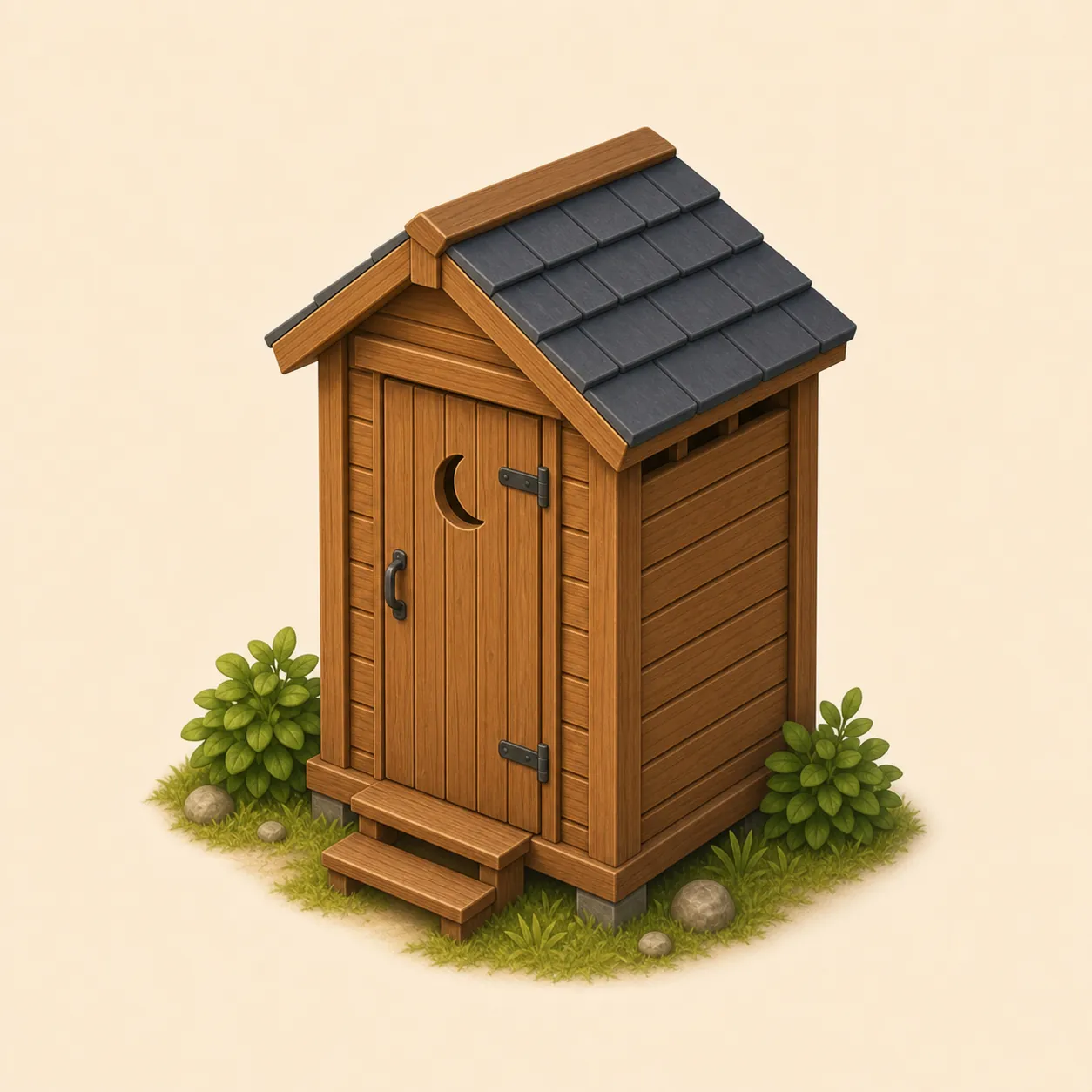
Distancias para inodoro exterior / pozo ciego
Un inodoro exterior o pozo negro se coloca lejos de cualquier fuente de agua potable para que la filtración no llegue a un pozo o perforación, y a una distancia de las viviendas —la propia y la del vecino— por razones sanitarias y para evitar olores.
No se aplica una única distancia de separación nacional a todas las parcelas. Compruebe el municipio, el código regional y las servidumbres de servicios públicos antes de fijar esta zona en el plano.
Saneamiento
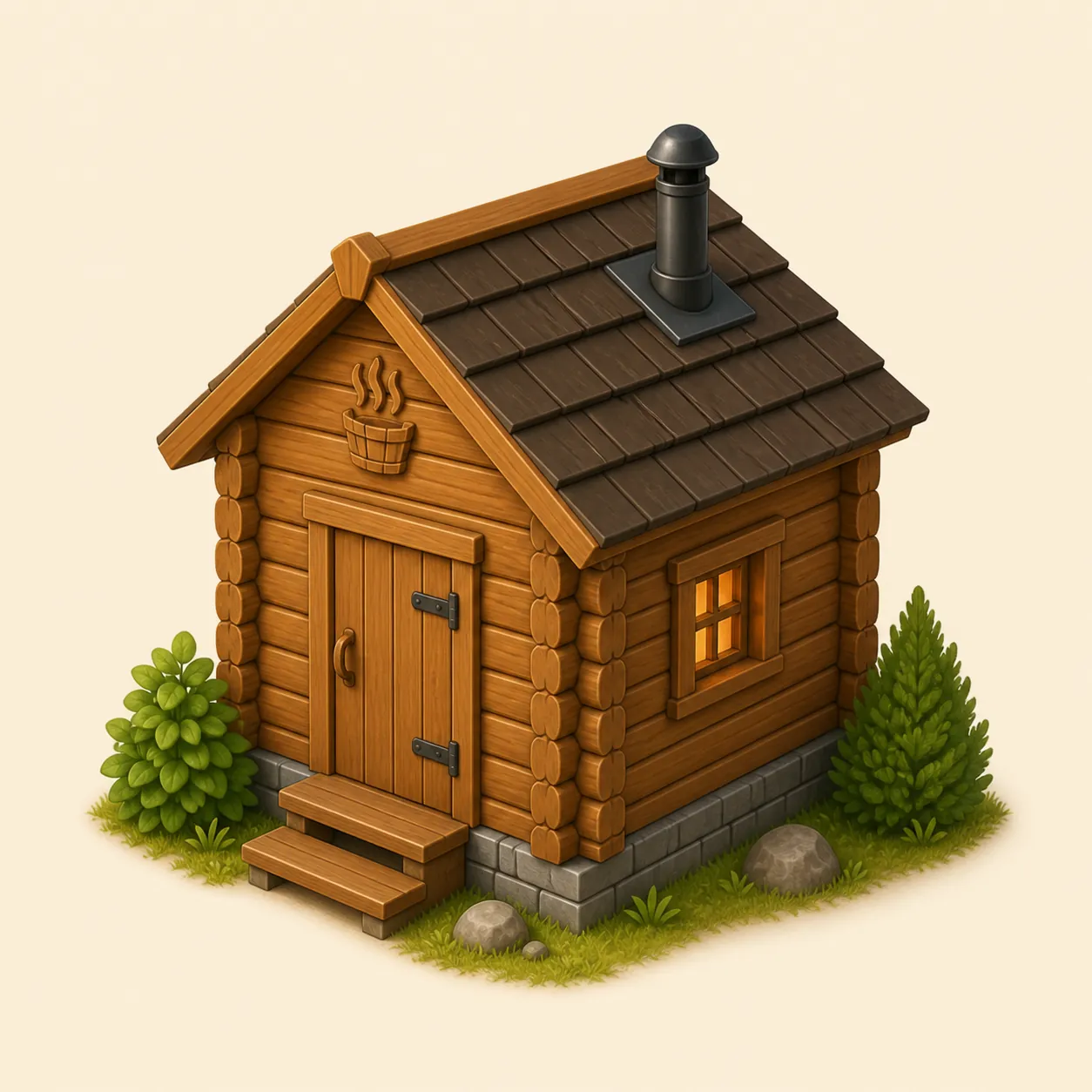
Distancia de casa de baños / ducha
Una casa de baños, sauna o ducha al aire libre se coloca retirada de la vivienda (debido al escurrimiento de agua, la humedad y el hecho de que una estufa es una fuente de incendio), y también se mantiene una distancia respecto al límite de la parcela. Las distancias exactas dependen del país y de los materiales de construcción.
No se aplica una única distancia de separación nacional a todas las parcelas. Compruebe el municipio, el código regional y las servidumbres de servicios públicos antes de fijar esta zona en el plano.
Saneamiento
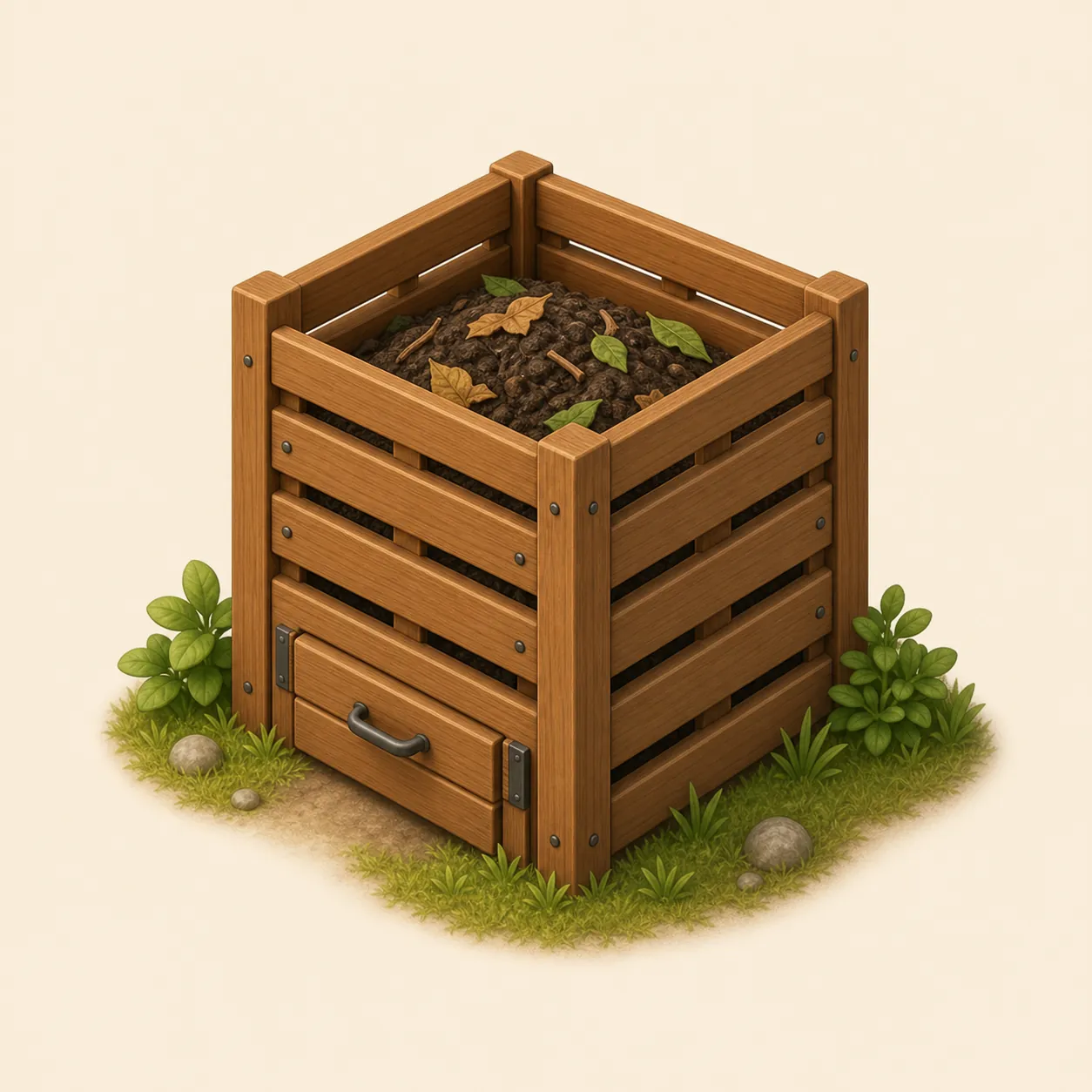
Distancia de compostaje
Un montón de compost o estiércol se coloca lejos de cualquier fuente de agua potable para que los orgánicos y las filtraciones no lleguen a un pozo o perforación, y con un retranqueo respecto al límite para que el olor y la humedad no molesten al vecino.
No se aplica una única distancia de separación nacional a todas las parcelas. Compruebe el municipio, el código regional y las servidumbres de servicios públicos antes de fijar esta zona en el plano.
Retranqueos
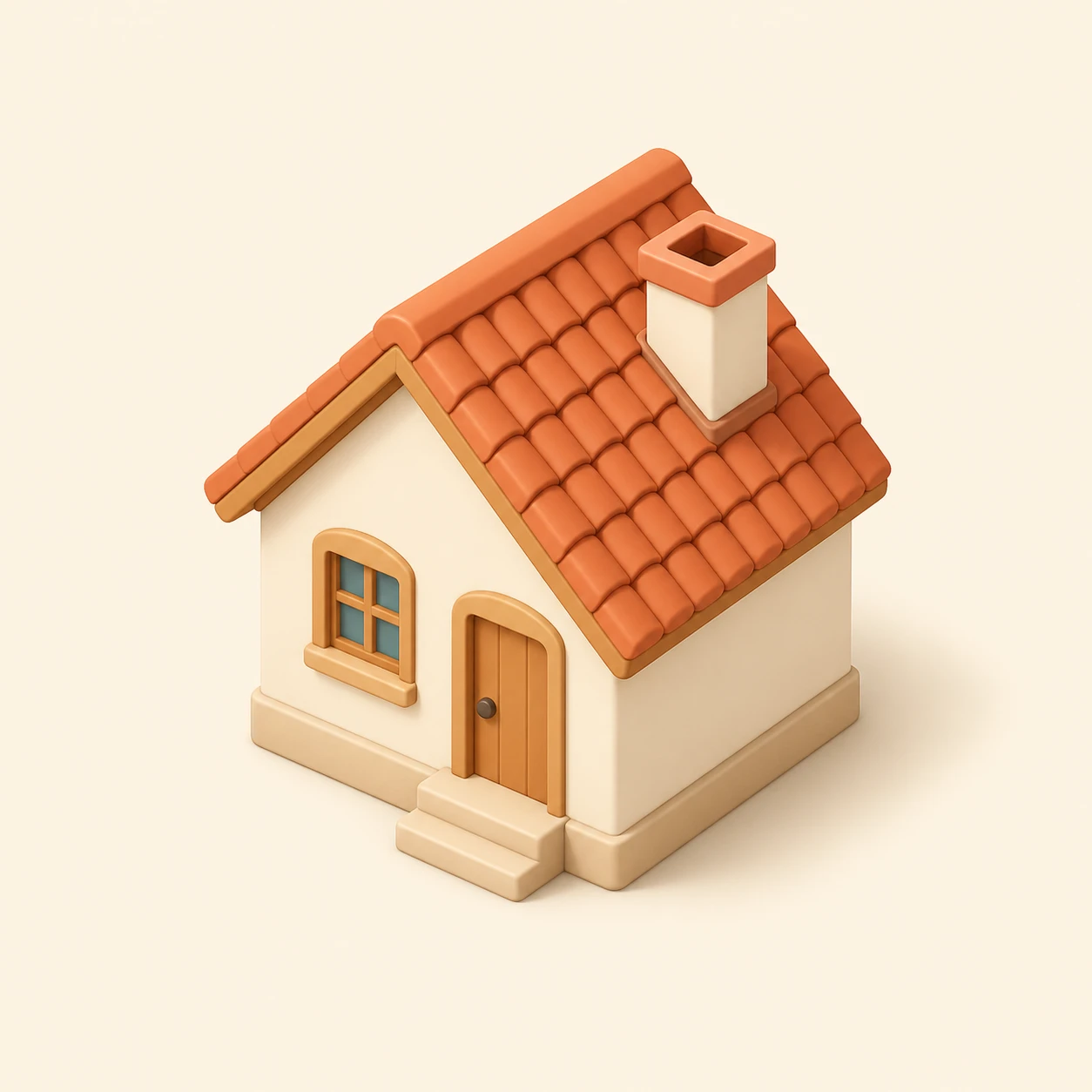
Retiro de la casa desde el límite
Una vivienda debe situarse al menos a la distancia de retranqueo respecto al límite colindante; no se puede construir la casa en la franja entre esa línea y el límite.
No existe un retranqueo nacional fijo: se establece según el plan municipal (PGOU): normalmente ~5 m a la fachada, 3–4 m a los lados, ~3 m a la parte trasera. Recomendado (seguro): ≥5 m.
Retranqueos
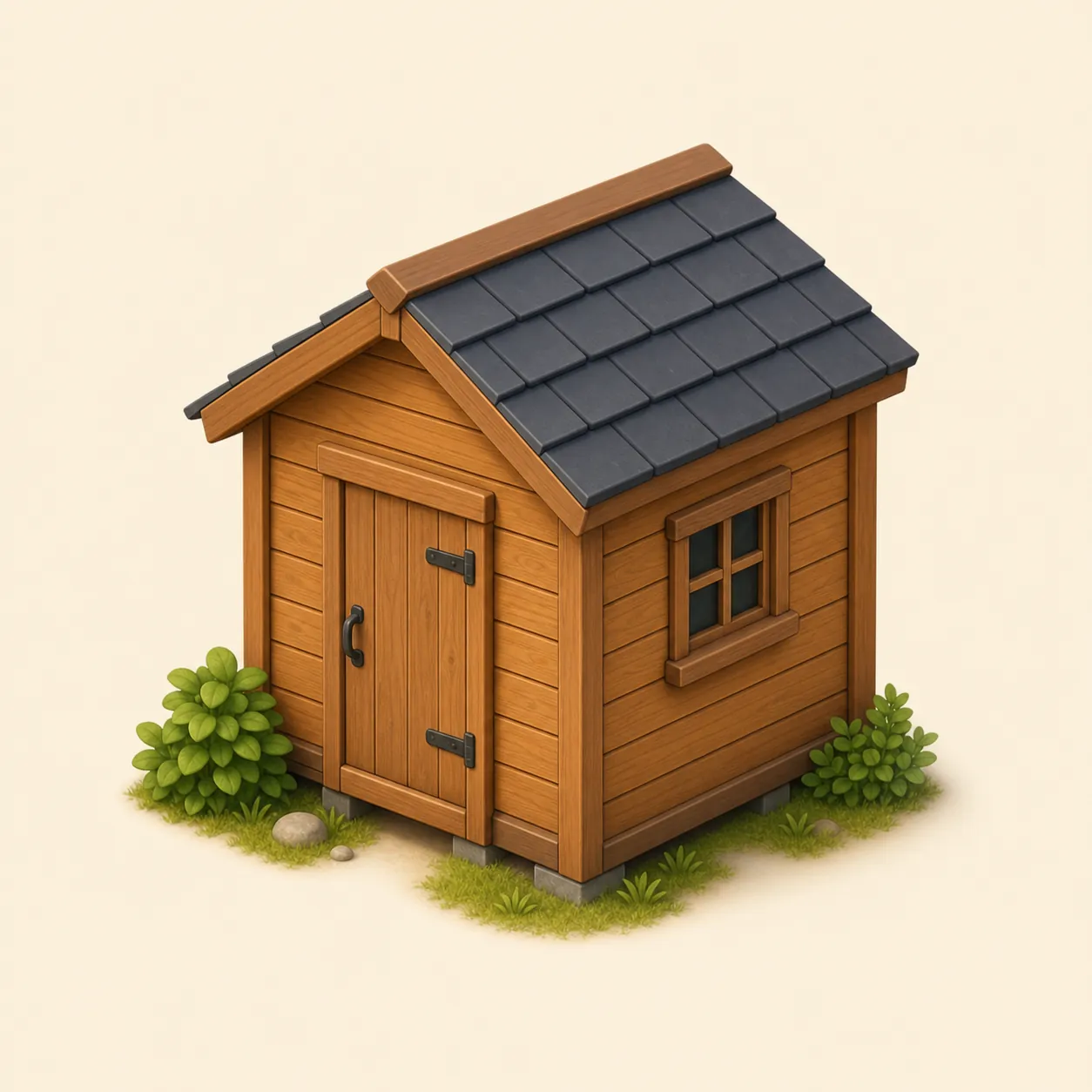
Retranqueo de estructuras auxiliares
Las dependencias (cobertizo, garaje, casa de baños o invernadero) deben retranquearse respecto al límite con el vecino: no se puede construir en la franja colindante. La pendiente del tejado y el drenaje deben permanecer dentro de su propia parcela, sin verter agua ni nieve en la del vecino. La distancia exacta depende de las normas urbanísticas locales y del país.
No existe una cifra nacional fija: se establece según el plan municipal (PGOU). Recomendado (seguro): ≥3 m.
Seguridad contra incendios
Distancia de seguridad contra incendios entre casas
La franja de protección contra incendios entre viviendas depende de los materiales de paredes y techos. No se permiten estructuras ni almacenamiento de materiales inflamables dentro de la franja.
No se aplica una única distancia de separación nacional a todas las parcelas. Compruebe el municipio, el código regional y las servidumbres de servicios públicos antes de fijar esta zona en el plano.

Plantación
Distancia de plantación de árboles y arbustos
Los árboles altos se plantan más lejos del límite y los arbustos más cerca, para que la copa y las raíces no den sombra ni dañen la parcela o los servicios del vecino.
Código Civil: 2 m desde la línea divisoria para árboles altos y 0,5 m para árboles/arbustos bajos (en ausencia de ordenanza o costumbre local).
Retranqueos
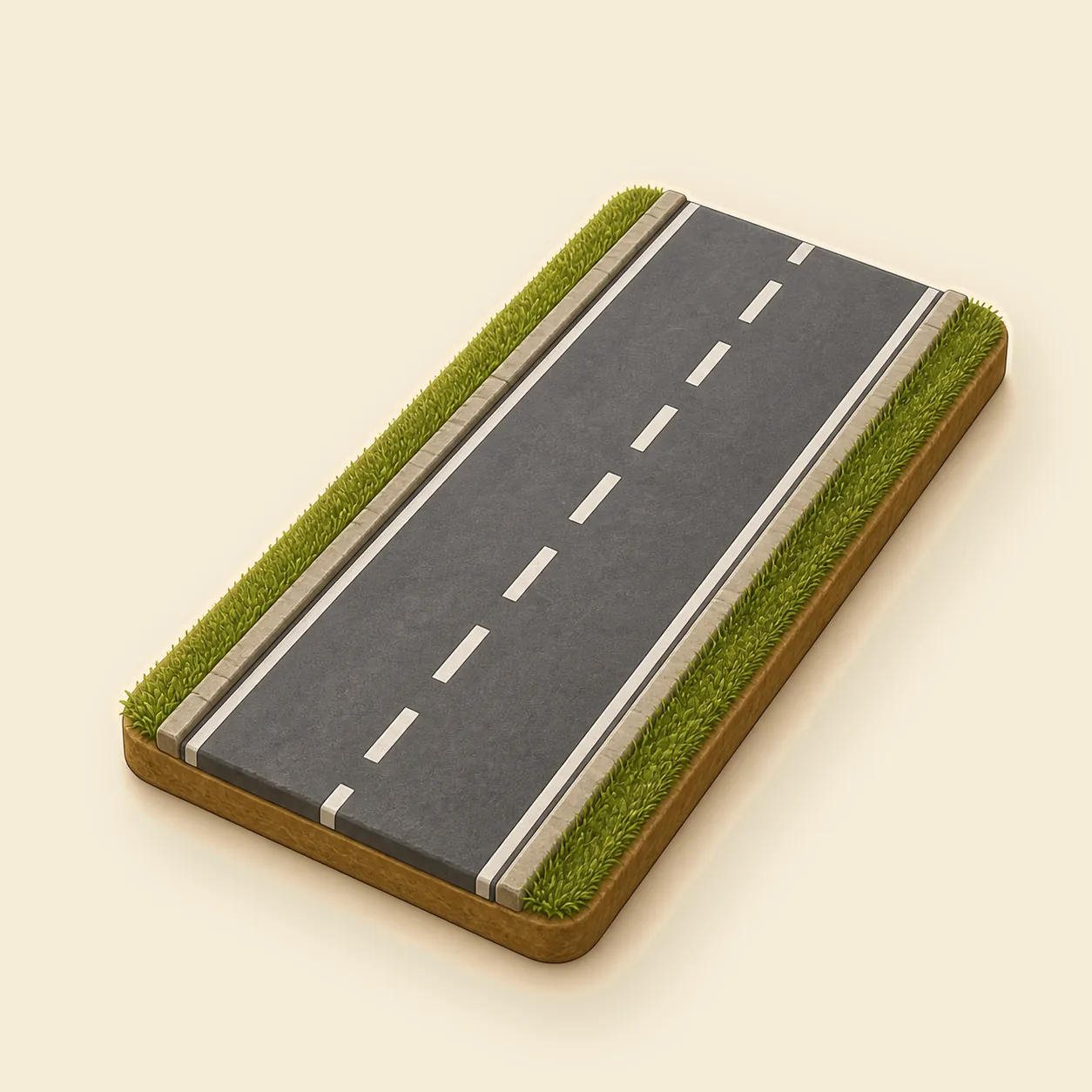
Retranqueo desde vía pública
Una vía pública tiene líneas rojas y un retranqueo de edificación. Cerca de una calle, el edificio se retranquea de la línea roja; a lo largo de carreteras regionales o federales, una franja de borde de carretera más ancha restringe la construcción. Una vía pública es parte del plan de desarrollo urbano, a diferencia de un camino de jardín.
Línea límite de edificación — la línea desde la carretera dentro de la cual está prohibido construir; depende de la clase de vía (Ley 37/2015).
Cuerpos de agua
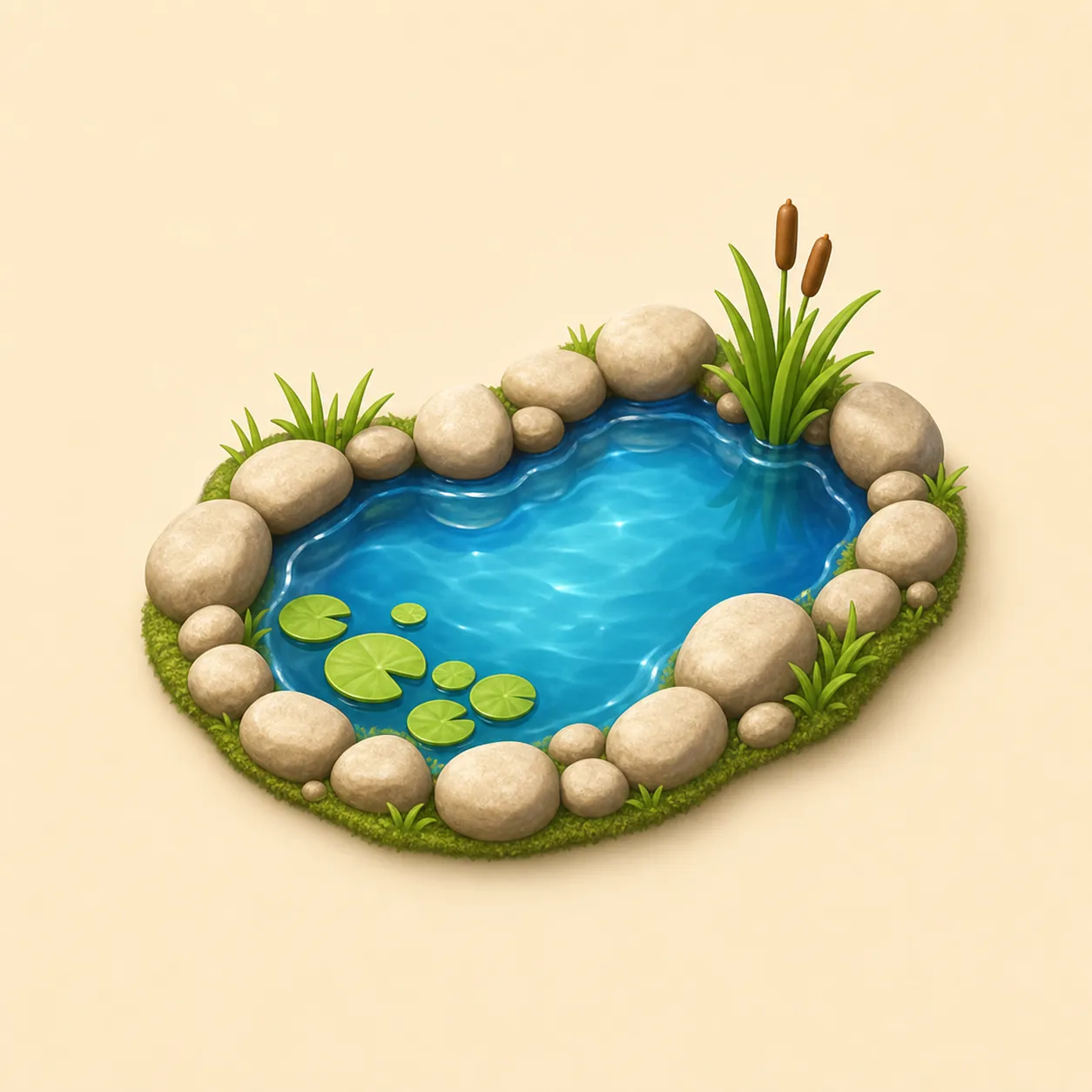
Distancia del estanque al límite de la parcela
Un estanque ornamental se separa del límite de la parcela para que siga siendo accesible y el agua no se filtre al vecino, y se mantiene alejado de una fuente de agua potable para que no pueda contaminar un pozo o perforación.
No se aplica una única distancia de separación nacional a todas las parcelas. Compruebe el municipio, el código regional y las servidumbres de servicios públicos antes de fijar esta zona en el plano.
Cuerpos de agua
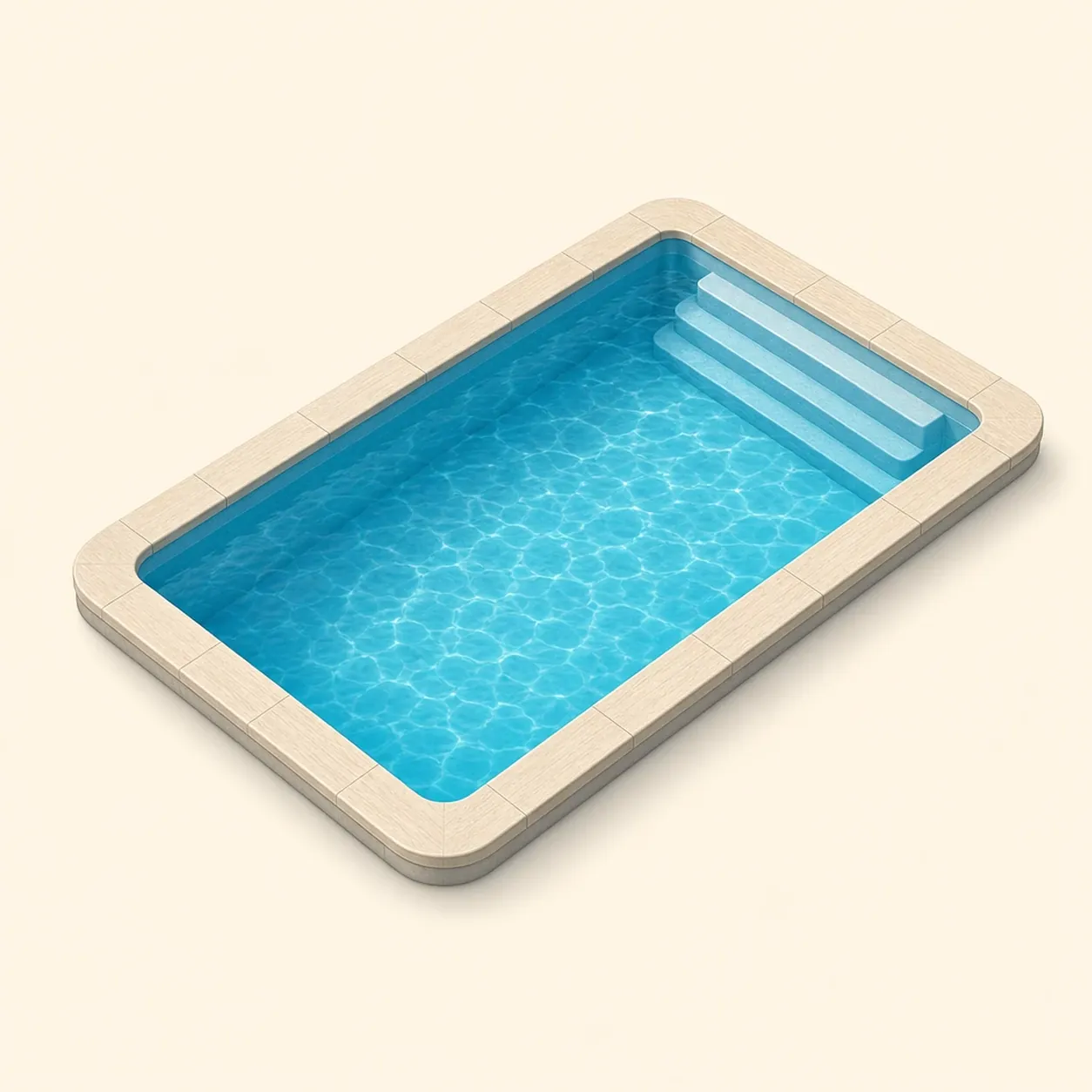
Distancia de la piscina al límite de la parcela
Una piscina se trata como "otra estructura": se retranquea del límite de la parcela para que permanezca accesible para su mantenimiento y drenaje. El agua limpia de la piscina no es una fuente de contaminación, por lo que no hay distancia sanitaria respecto a un pozo.
No se aplica una única distancia de separación nacional a todas las parcelas. Compruebe el municipio, el código regional y las servidumbres de servicios públicos antes de fijar esta zona en el plano.
Seguridad contra incendios
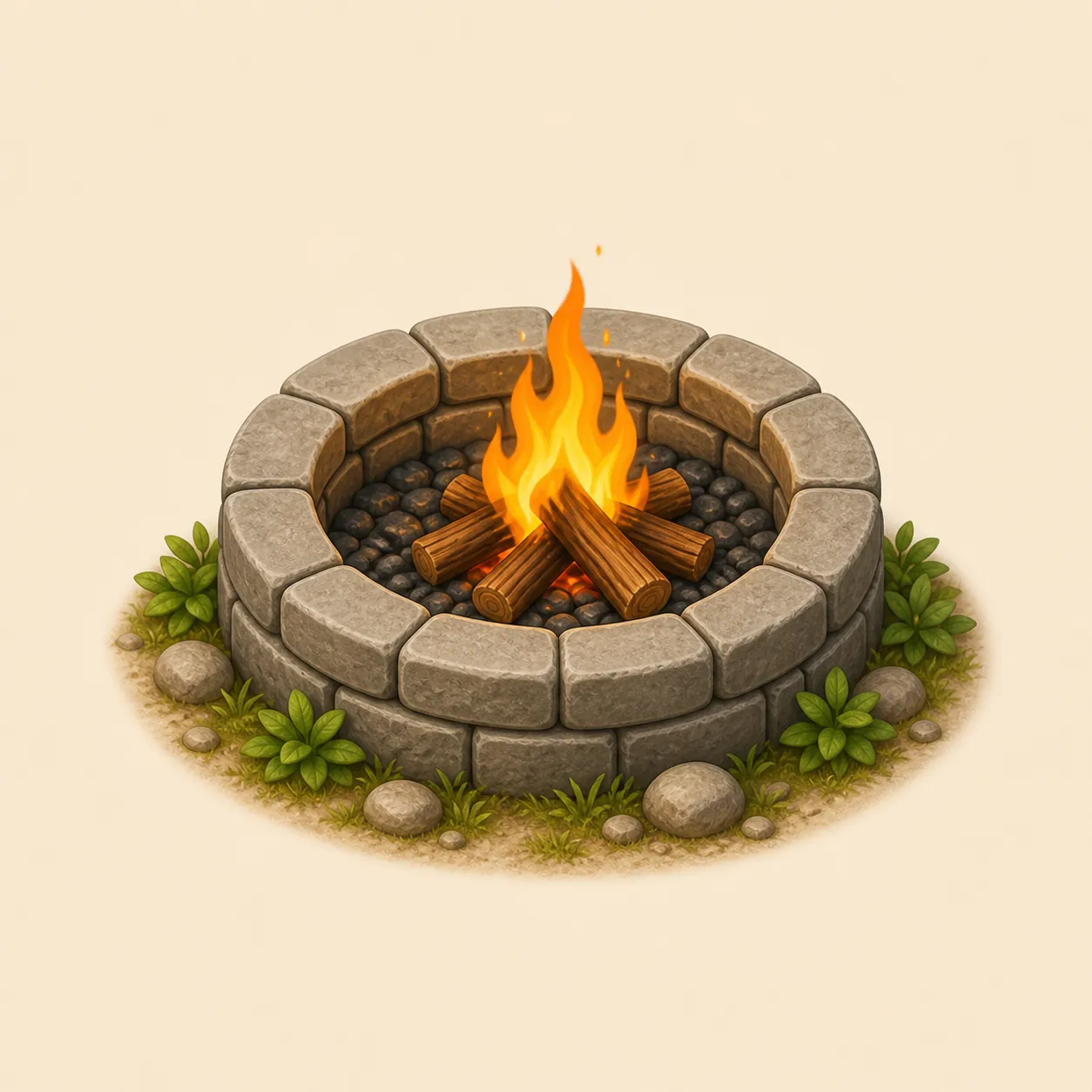
Espacio libre para hoguera / barbacoa
Fuego abierto: una hoguera o barbacoa, se mantiene alejado de edificios, vallas y cualquier objeto inflamable, para que las chispas y el calor no inicien un incendio. La distancia exacta depende del país y de las normas locales contra incendios.
No se aplica una única distancia de separación nacional a todas las parcelas. Compruebe el municipio, el código regional y las servidumbres de servicios públicos antes de fijar esta zona en el plano.
Saneamiento
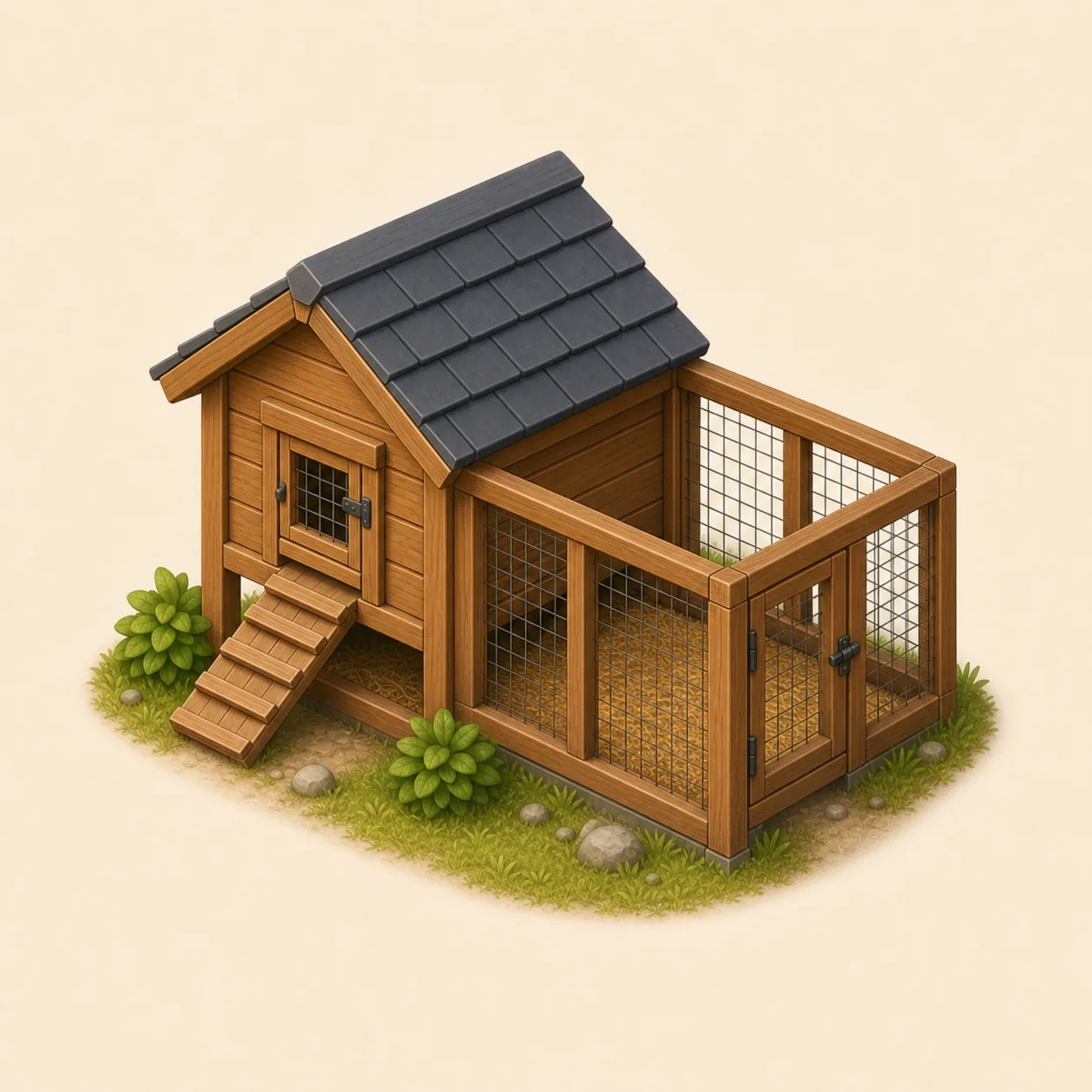
Distancia de casa de animales / aves de corral
Un edificio para aves de corral o animales pequeños se mantiene más alejado del límite que un cobertizo ordinario, por razones sanitarias: el olor, el escurrimiento y el ruido no deben molestar al vecino. La distancia exacta depende del país.
No se aplica una única distancia de separación nacional a todas las parcelas. Compruebe el municipio, el código regional y las servidumbres de servicios públicos antes de fijar esta zona en el plano.
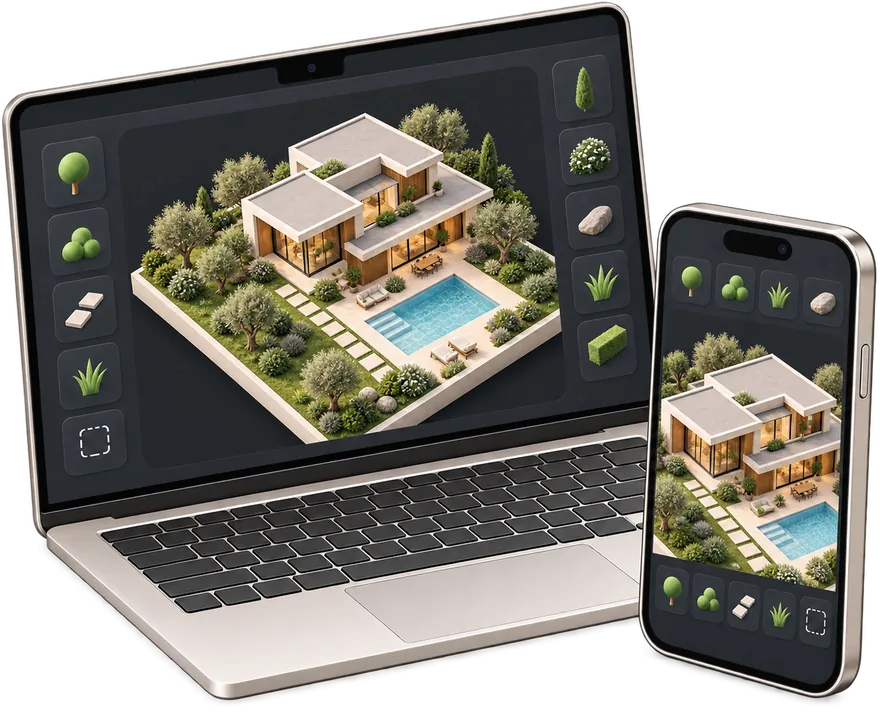
App para diseñar tu jardín en el móvil y el ordenador
- Un icono en la pantalla de inicio — vuelve a tu parcela con un toque
- Pantalla completa sin barra de direcciones — más espacio para el plano
- Los mismos proyectos en el móvil y el ordenador — autoguardado en la nube
Ya estás en la app — gardmi está instalado.