Koruma bölgeleri ve çekme mesafeleri — ABD
Bir bölge seçin ve planlama pasaportunu kontrol edin: kaç metre, içinde neler yasak, ülkeye göre tablo ve kaynak bağlantıları.
Gösteriliyor 11
Electricity
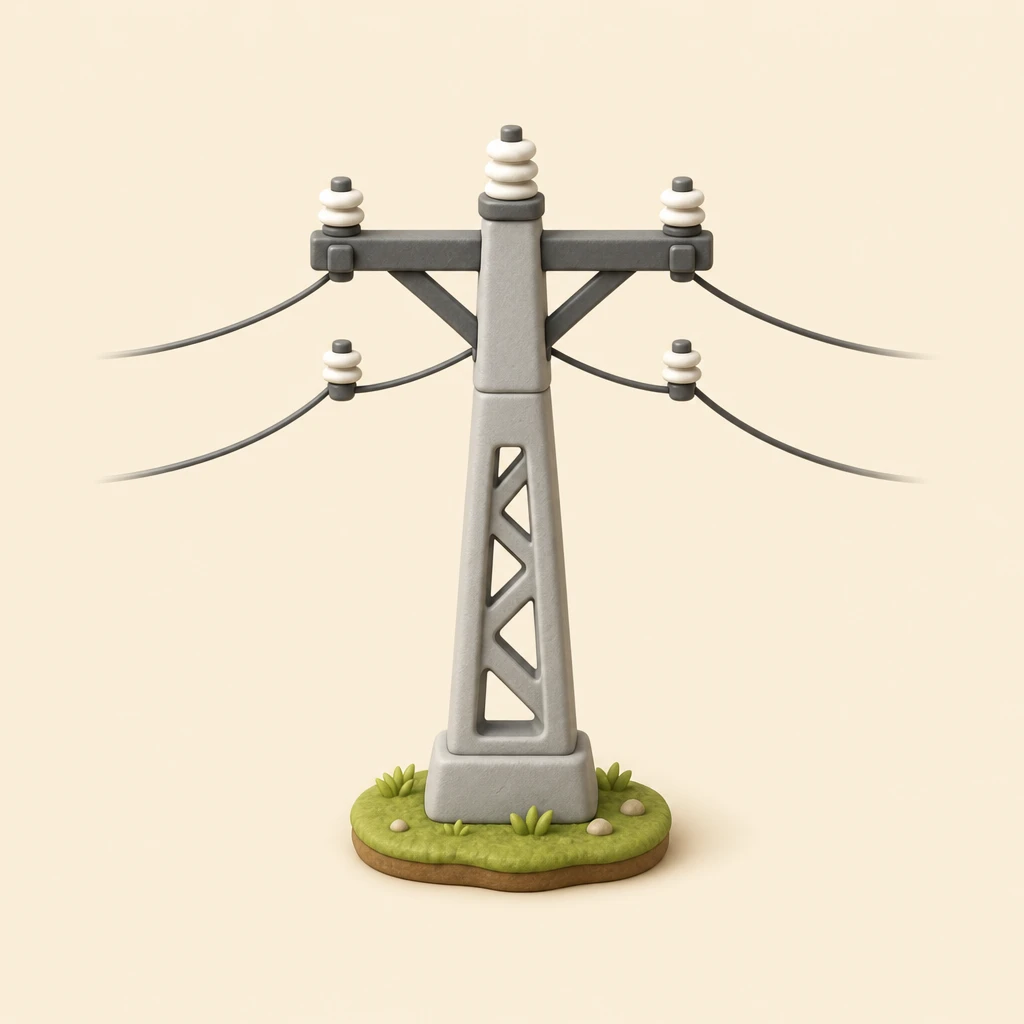
Power line protection zone
The protection zone of an overhead power line is measured from the outer conductors on each side and grows with voltage. Inside it, building and many works need the grid operator’s consent.
No federal metre table — utility right-of-way (ROW) practice; varies widely.
Electricity
Underground cable protection zone
A buried power cable has a narrow protection strip on each side. Over it, building and earthworks are restricted to keep the cable accessible and undamaged.
About 2 m on each side of the cable route.
Water source
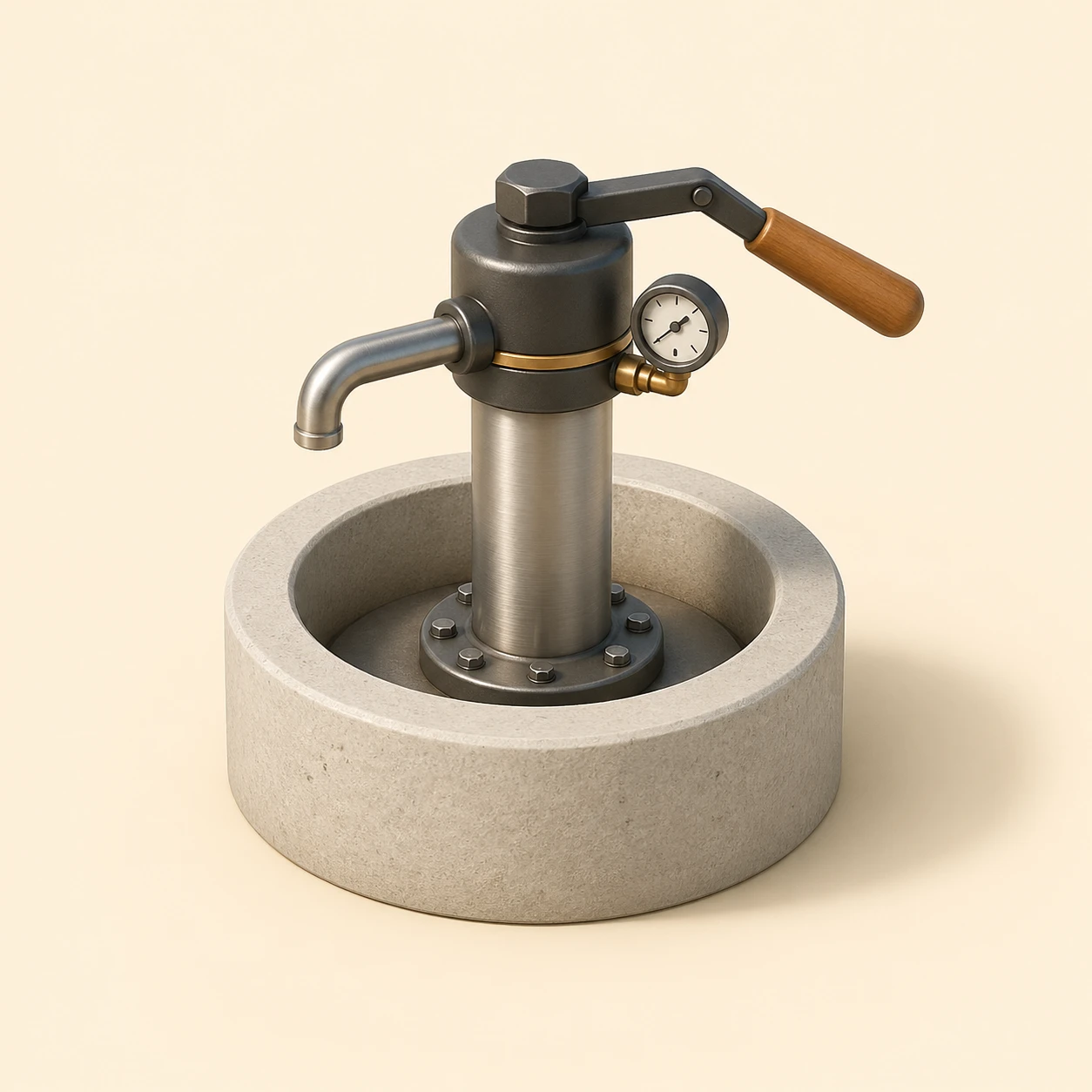
Well / borehole sanitary zone
Around a drinking-water source you may not place contamination sources. The zone protects the water from septic systems, toilets, compost and chemical stores.
The exact distance depends on local rules and the network/utility operator — verify before construction.
Sanitation
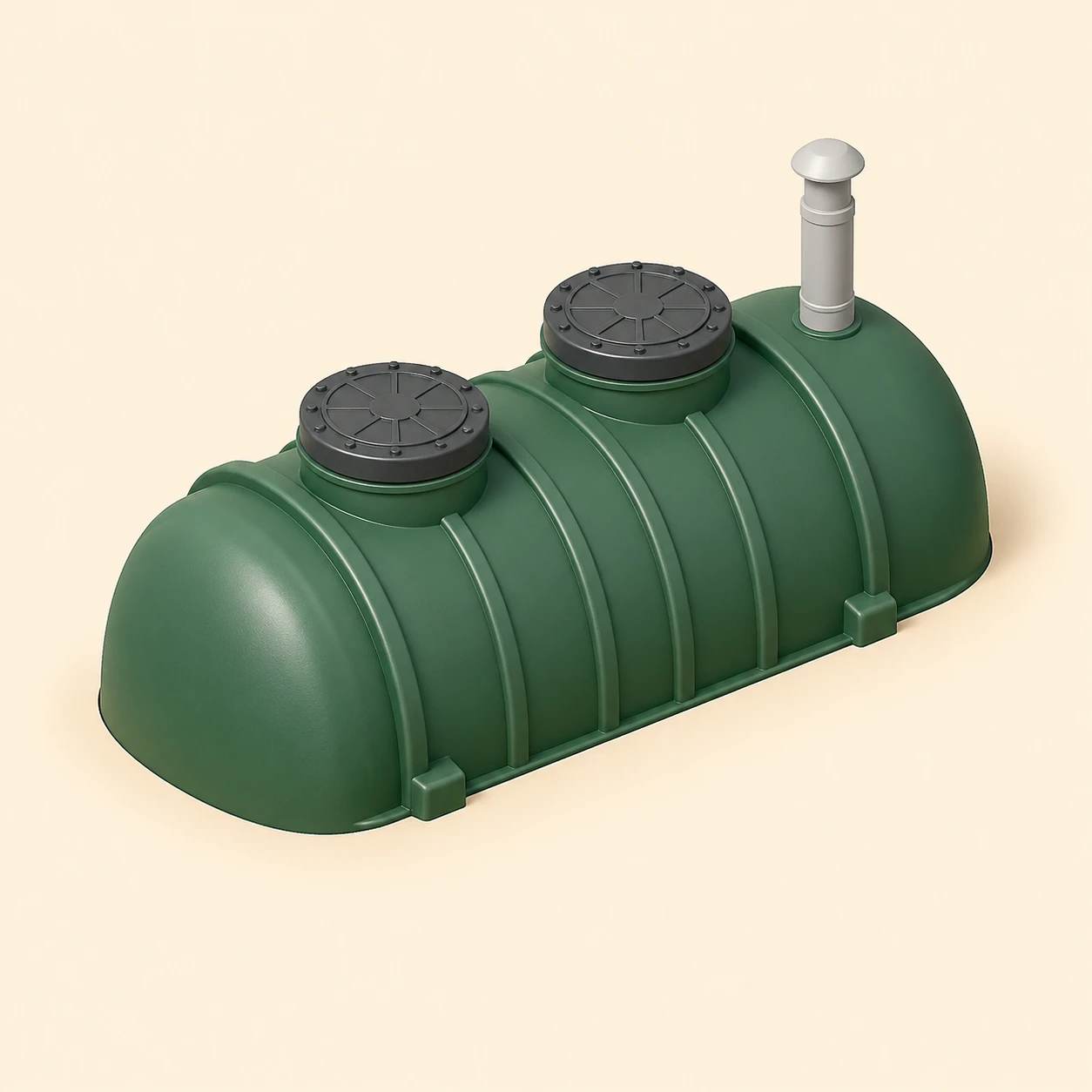
Septic tank distances
A septic tank is placed at a distance from the house — so it does not undermine the foundation and odour does not reach the windows — and well away from any drinking-water source, since leaks can contaminate a well or borehole. A setback from the boundary is also kept so the tank stays accessible for servicing and pumping.
No national norm: the tank keeps ≥15 m (50 ft) to a well (state health rules); the drainfield often 30 m (100 ft). Distance to house and boundary is local zoning.
Sanitation
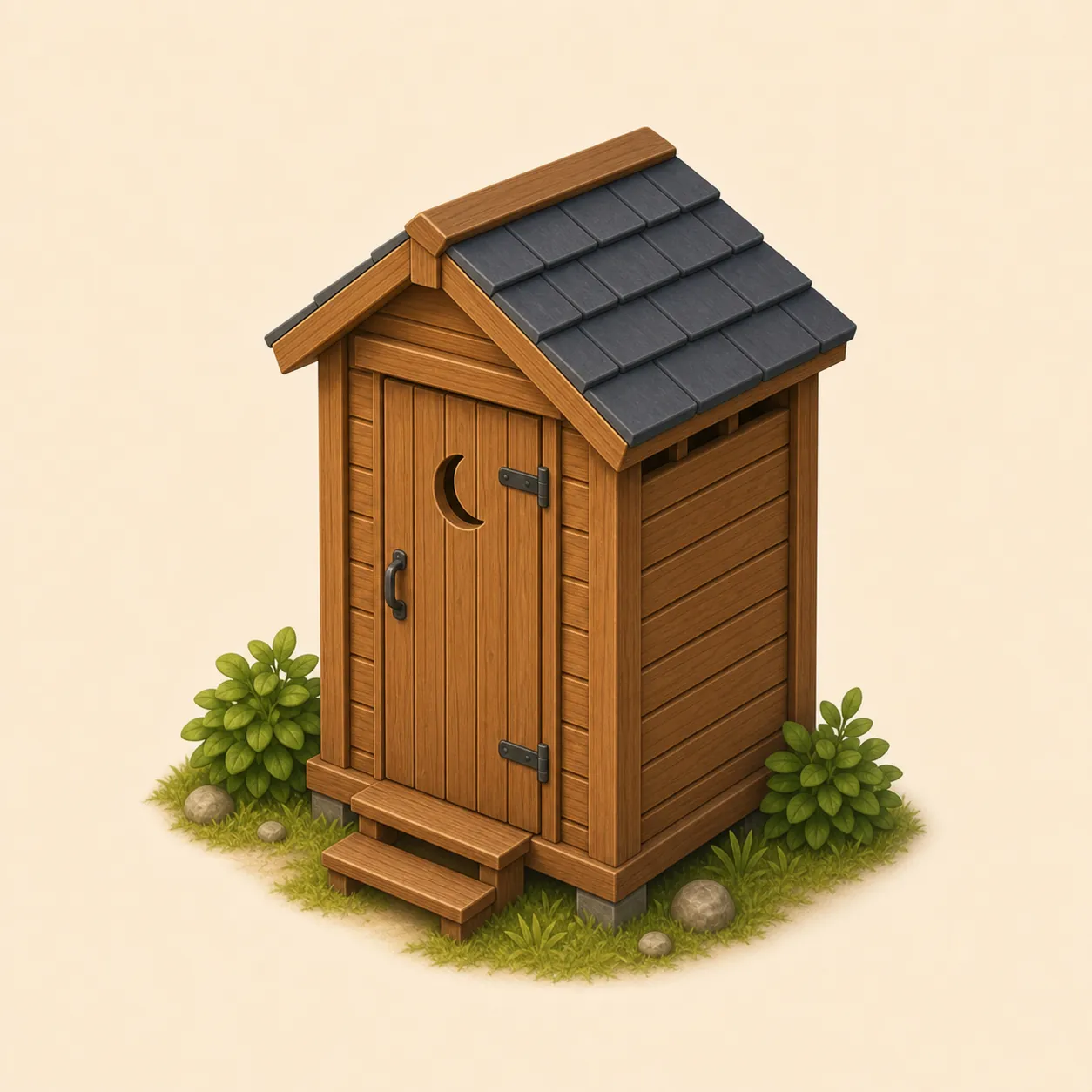
Outdoor toilet / cesspit distances
An outdoor toilet or cesspit is placed well away from any drinking-water source so that seepage cannot reach a well or borehole, and at a distance from dwellings — your own and the neighbour’s — for sanitary reasons and to keep odour away.
A fixed privy keeps ≥15 m (50 ft) to a well; portable 6 m (20 ft), cesspool 23 m (75 ft). Distance to the dwelling is local.
Sanitation
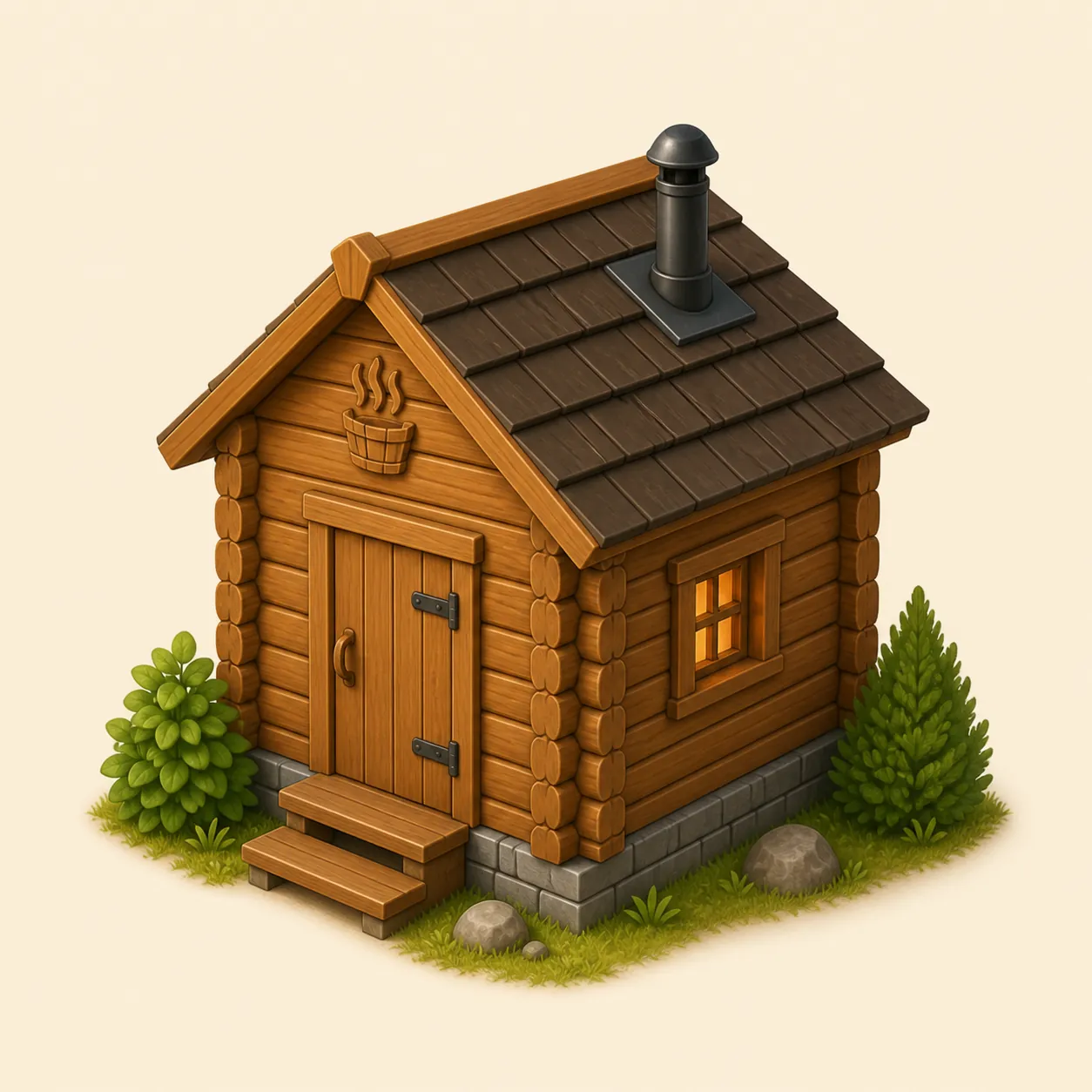
Bathhouse / shower distance
A bathhouse, sauna or outdoor shower is set back from a dwelling — because of water runoff, humidity and the fact that a stove is a fire source — and a setback from the plot boundary is kept as well. The exact distances depend on the country and the building materials.
The exact distance depends on local rules and the network/utility operator — verify before construction.
Sanitation
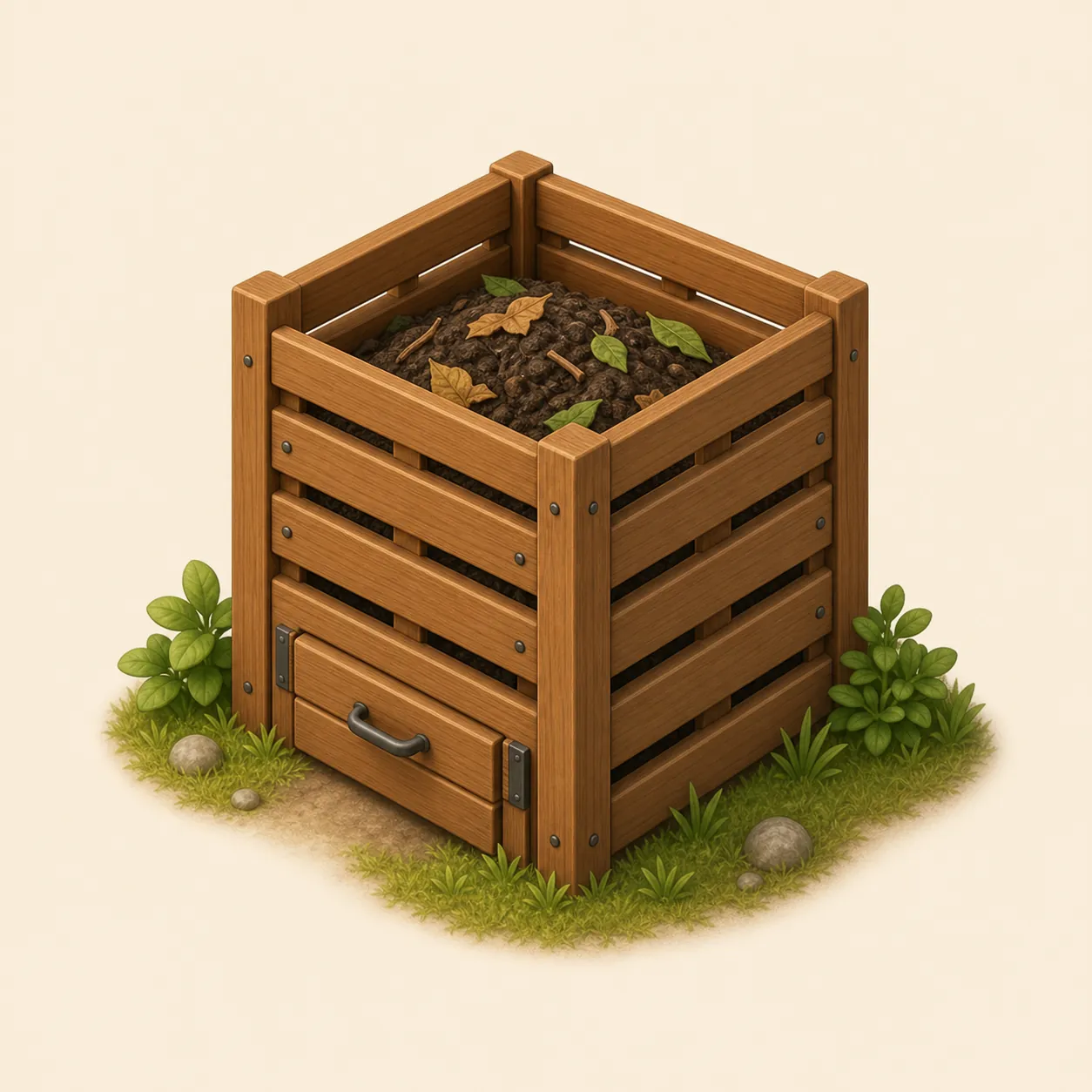
Compost distance
A compost heap or manure pile is placed away from any drinking-water source so that organics and seepage do not reach a well or borehole, and with a setback from the boundary so odour and moisture do not disturb the neighbour.
At least 15 m (50 ft) from wells and water features (USDA NRCS guidance; state law may require more).
Setbacks
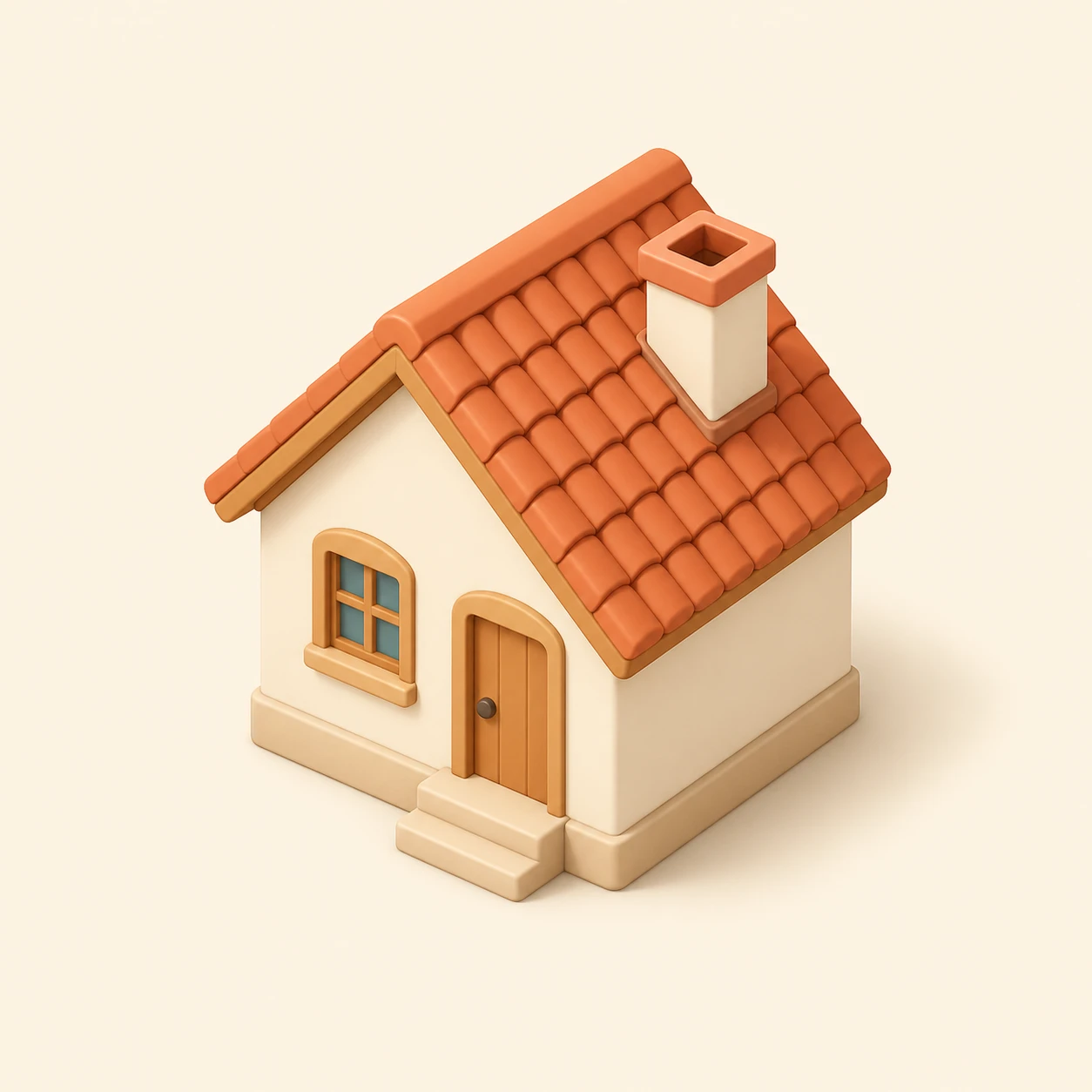
House setback from the boundary
A dwelling must stand at least the setback distance from the neighbouring boundary; you may not build the house in the strip between that line and the boundary.
No national norm — set by local zoning: side yards commonly 5–10 ft (1.5–3 m), front 15–25 ft (4.5–7.5 m). Recommended (safe): ≥3 m side/rear, ~7.5 m to the street.
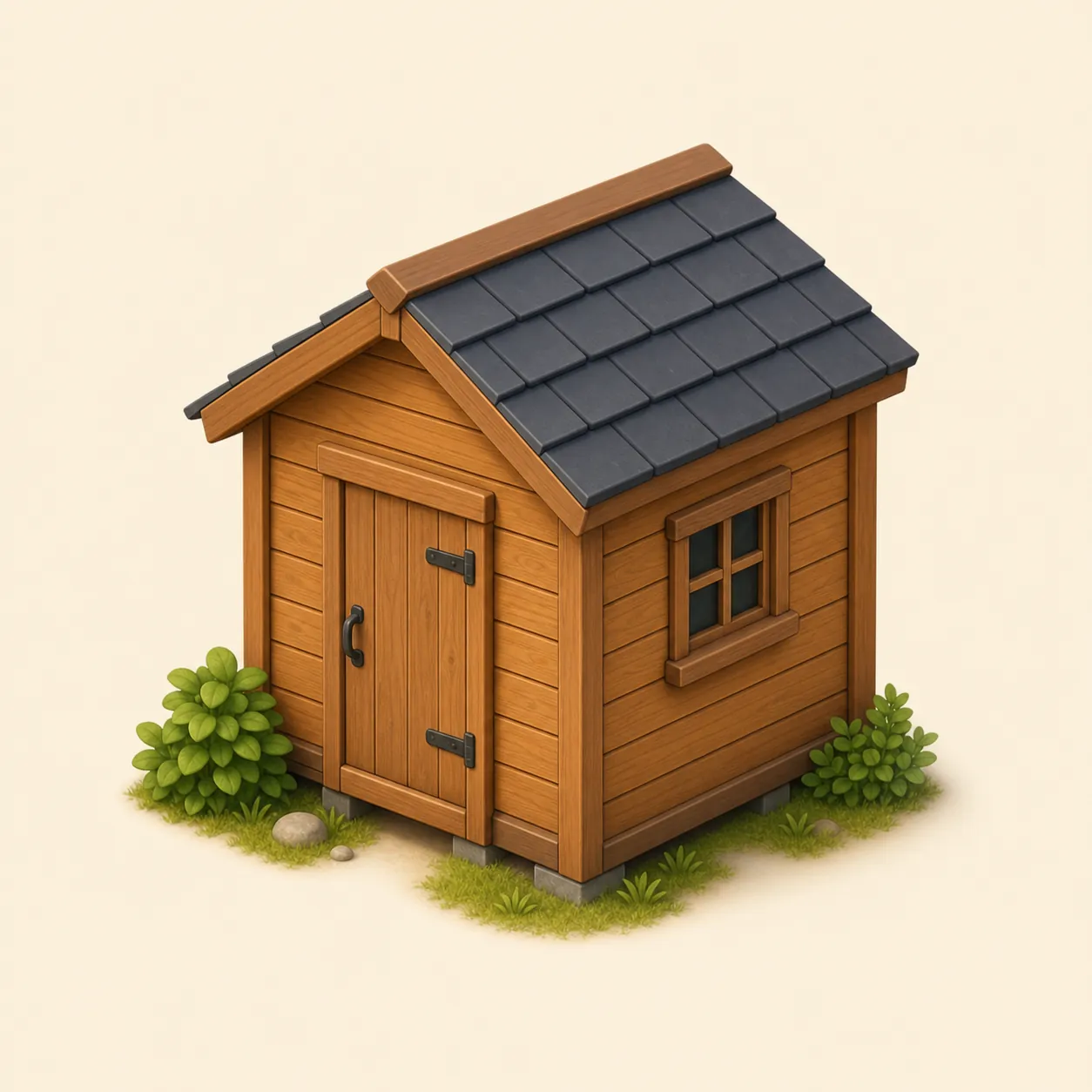
Setbacks
Outbuilding setback
Outbuildings — a shed, garage, bathhouse or greenhouse — are set back from the neighbouring boundary: you may not build in the strip right next to it. The roof slope and drainage must also stay within your own plot and not shed water or snow onto the neighbour. The exact distance depends on the country and local development rules.
No national norm — accessory-structure setback is local zoning (often 3–5 ft / 0.9–1.5 m). Recommended (safe): ≥1.5 m (5 ft).
Fire safety
Fire gap between houses
The fire gap between dwellings depends on wall and roof materials. No structures or flammable storage are allowed within the gap.
The exact distance depends on local rules and the network/utility operator — verify before construction.

Planting
Tree and shrub planting distance
Tall trees are planted farthest from the boundary, shrubs closest, so crown and roots do not shade or damage the neighbour’s plot or utilities.
No statutory boundary planting distance — figures are horticultural. Recommended (safe): tall trees ≥4 m, shrubs ≥1 m; also keep large trees away from the septic/foundation.