Protection zones and setbacks — Germany
Choose a zone and check the planning passport: how many metres, what is forbidden inside, a by-country table and source links.
Shown 16
Electricity
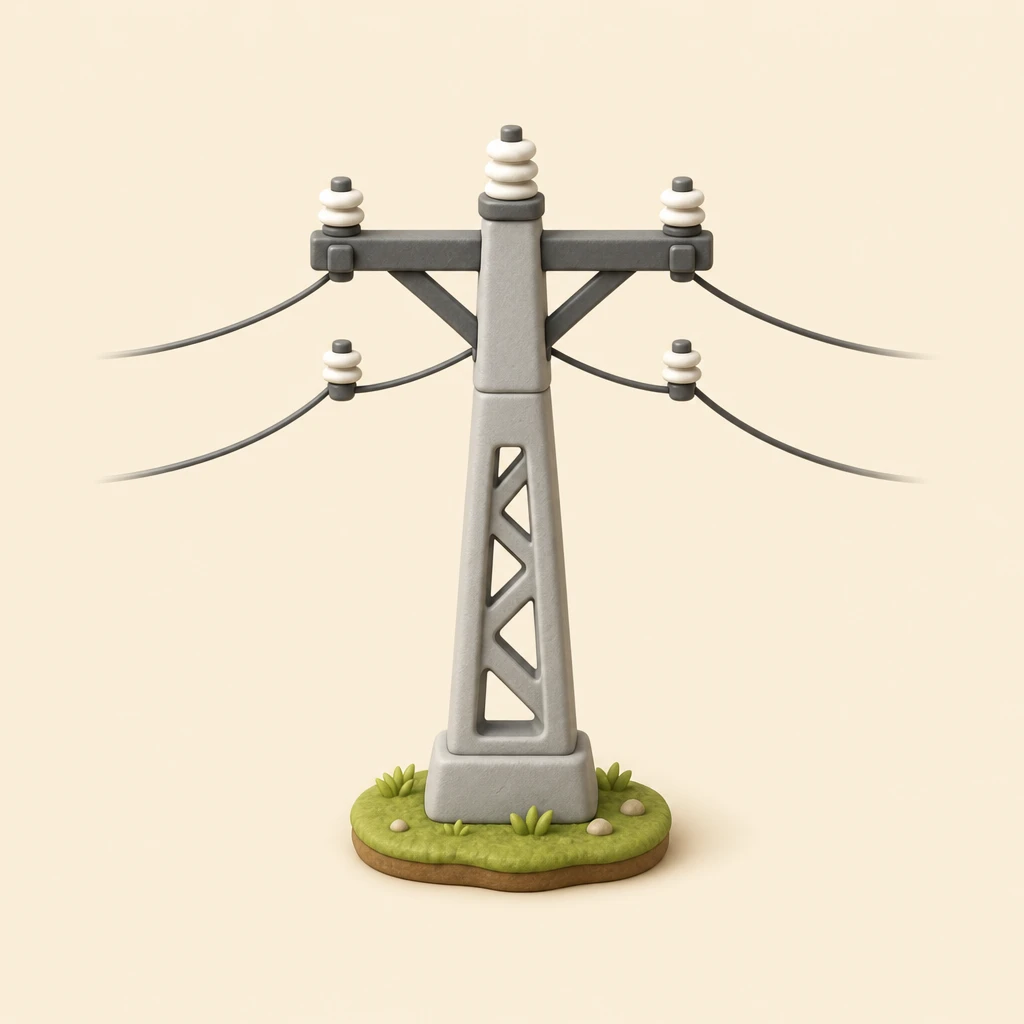
Power line protection zone
The protection zone of an overhead power line is measured from the outer conductors on each side and grows with voltage. Inside it, building and many works need the grid operator’s consent.
No single statutory metre table — easement strip (Schutzstreifen) sized per line; values are planning guidance.
Electricity
Underground cable protection zone
A buried power cable has a narrow protection strip on each side. Over it, building and earthworks are restricted to keep the cable accessible and undamaged.
About 1 m on each side of the cable route.
Water source
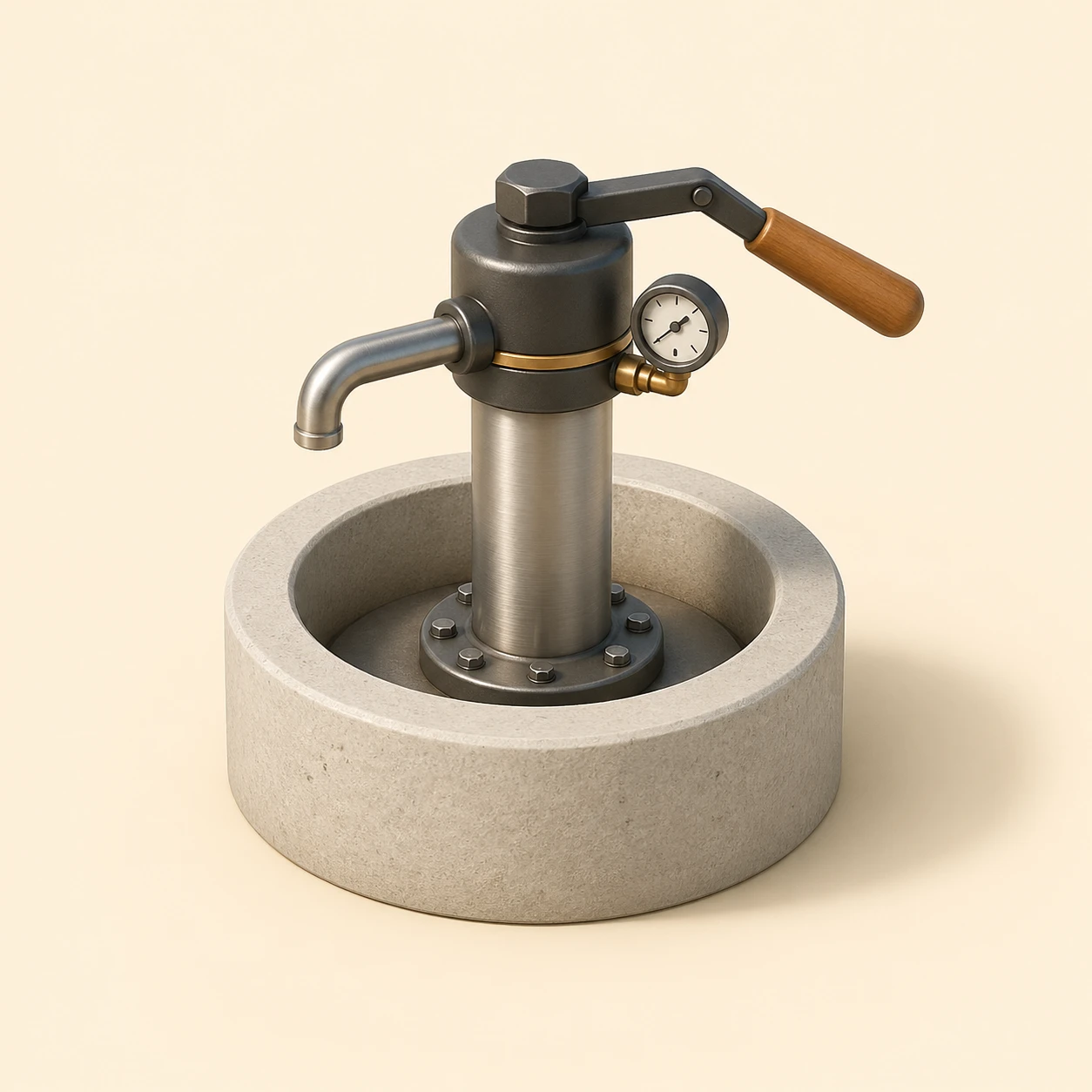
Well / borehole sanitary zone
Around a drinking-water source you may not place contamination sources. The zone protects the water from septic systems, toilets, compost and chemical stores.
No single national setback applies to every plot. Check the municipality, regional code and utility easements before fixing this zone on the plan.
Sanitation
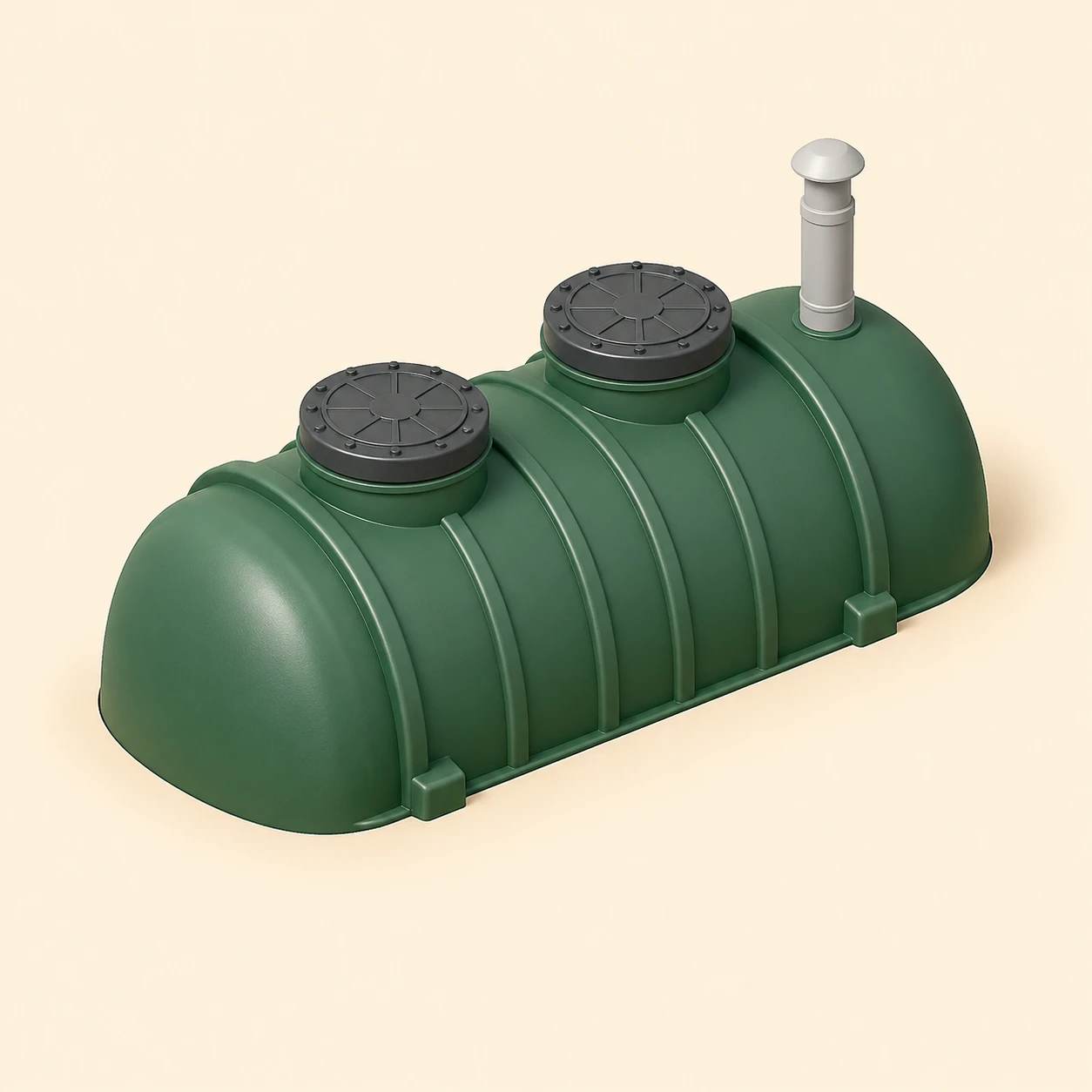
Septic tank distances
A septic tank is placed at a distance from the house — so it does not undermine the foundation and odour does not reach the windows — and well away from any drinking-water source, since leaks can contaminate a well or borehole. A setback from the boundary is also kept so the tank stays accessible for servicing and pumping.
No single national setback applies to every plot. Check the municipality, regional code and utility easements before fixing this zone on the plan.
Sanitation
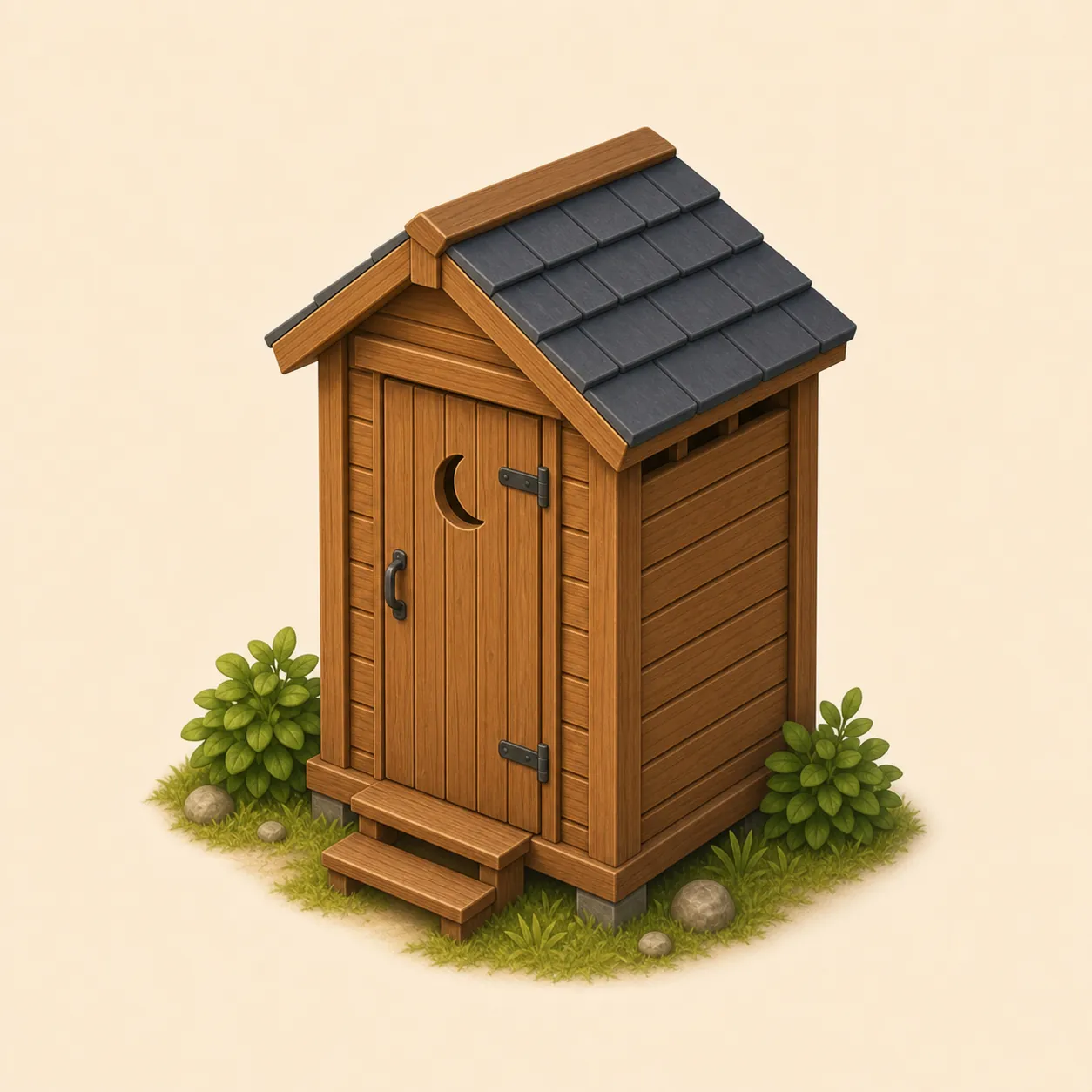
Outdoor toilet / cesspit distances
An outdoor toilet or cesspit is placed well away from any drinking-water source so that seepage cannot reach a well or borehole, and at a distance from dwellings — your own and the neighbour’s — for sanitary reasons and to keep odour away.
No single national setback applies to every plot. Check the municipality, regional code and utility easements before fixing this zone on the plan.
Sanitation
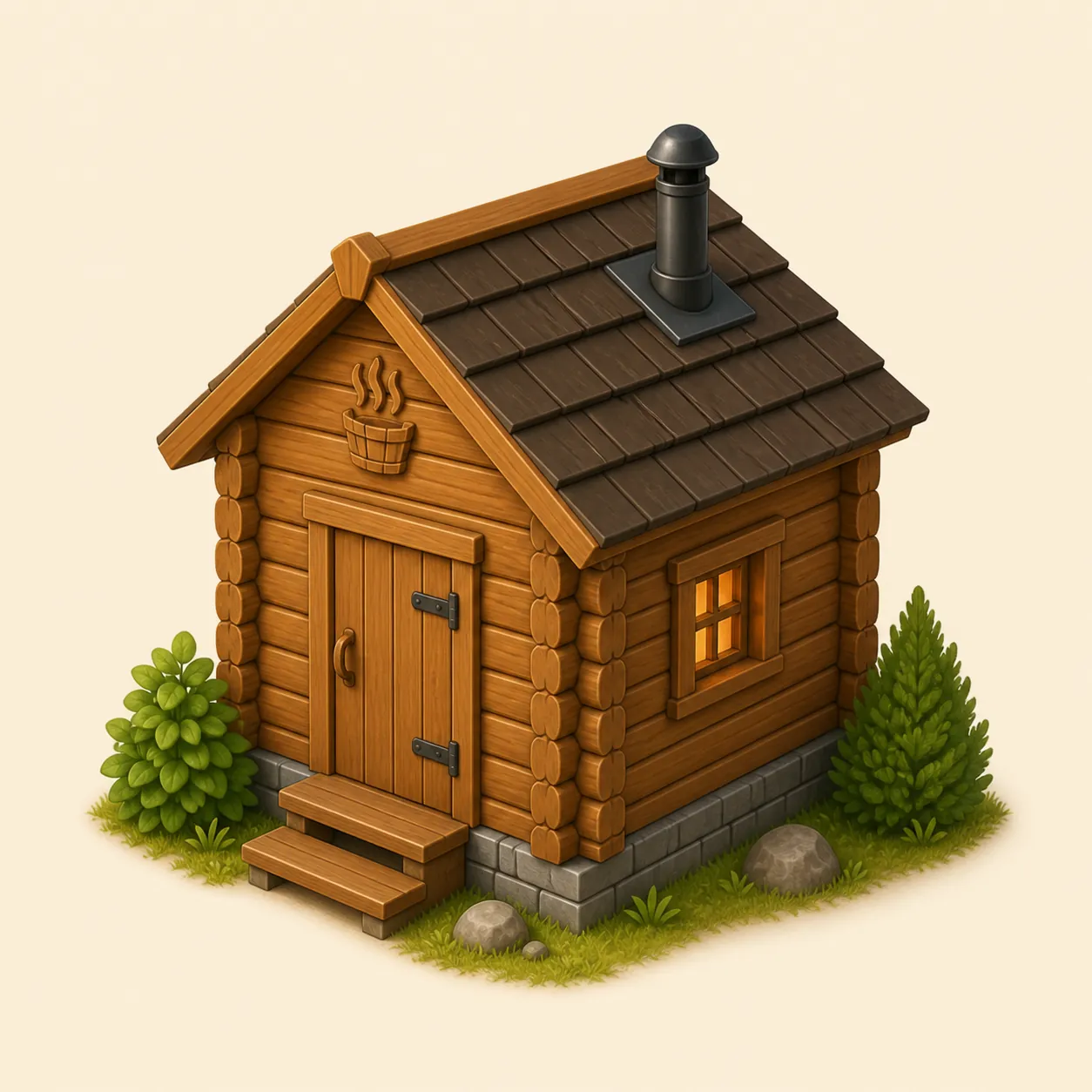
Bathhouse / shower distance
A bathhouse, sauna or outdoor shower is set back from a dwelling — because of water runoff, humidity and the fact that a stove is a fire source — and a setback from the plot boundary is kept as well. The exact distances depend on the country and the building materials.
No single national setback applies to every plot. Check the municipality, regional code and utility easements before fixing this zone on the plan.
Sanitation
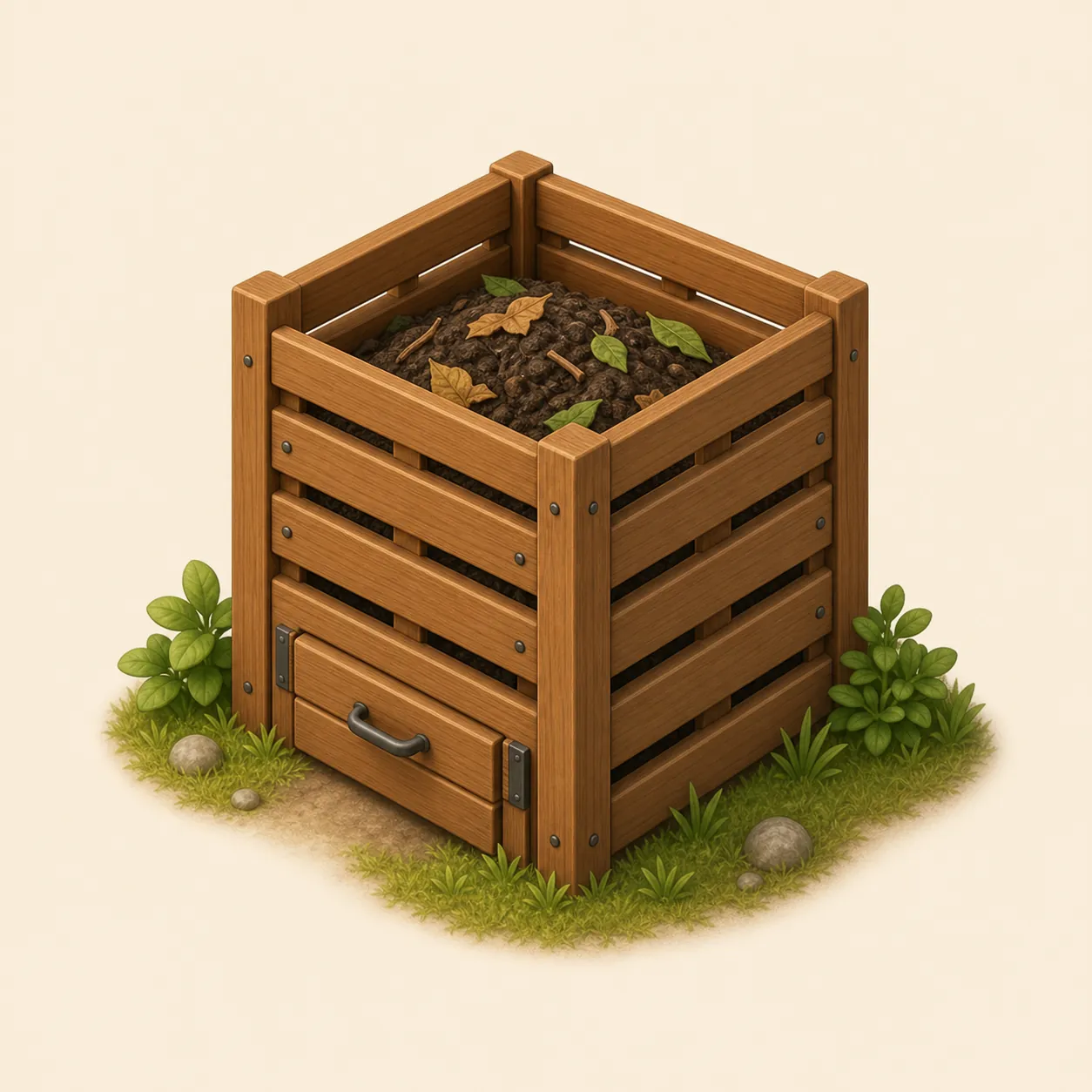
Compost distance
A compost heap or manure pile is placed away from any drinking-water source so that organics and seepage do not reach a well or borehole, and with a setback from the boundary so odour and moisture do not disturb the neighbour.
German neighbour law sets a setback to the BOUNDARY (≥0.5 m), not a distance to a well — there is no national well figure.
Setbacks
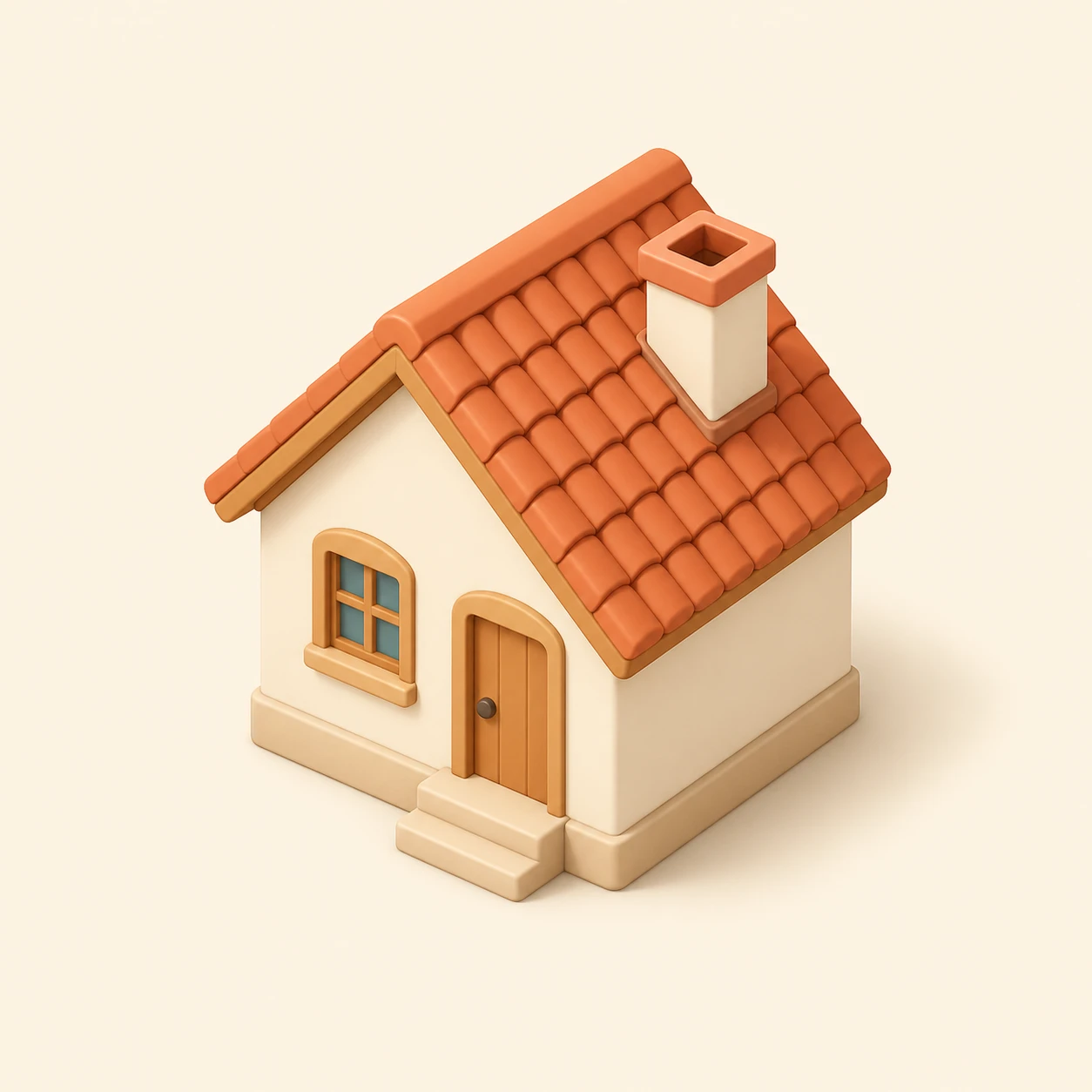
House setback from the boundary
A dwelling must stand at least the setback distance from the neighbouring boundary; you may not build the house in the strip between that line and the boundary.
Setback (Abstandsfläche) is 0.4 × wall height, floor ~3 m; exact minimum varies by Bundesland (2.5 m in Baden-Württemberg, 3 m in most others). Recommended (safe): ≥3 m.
Setbacks
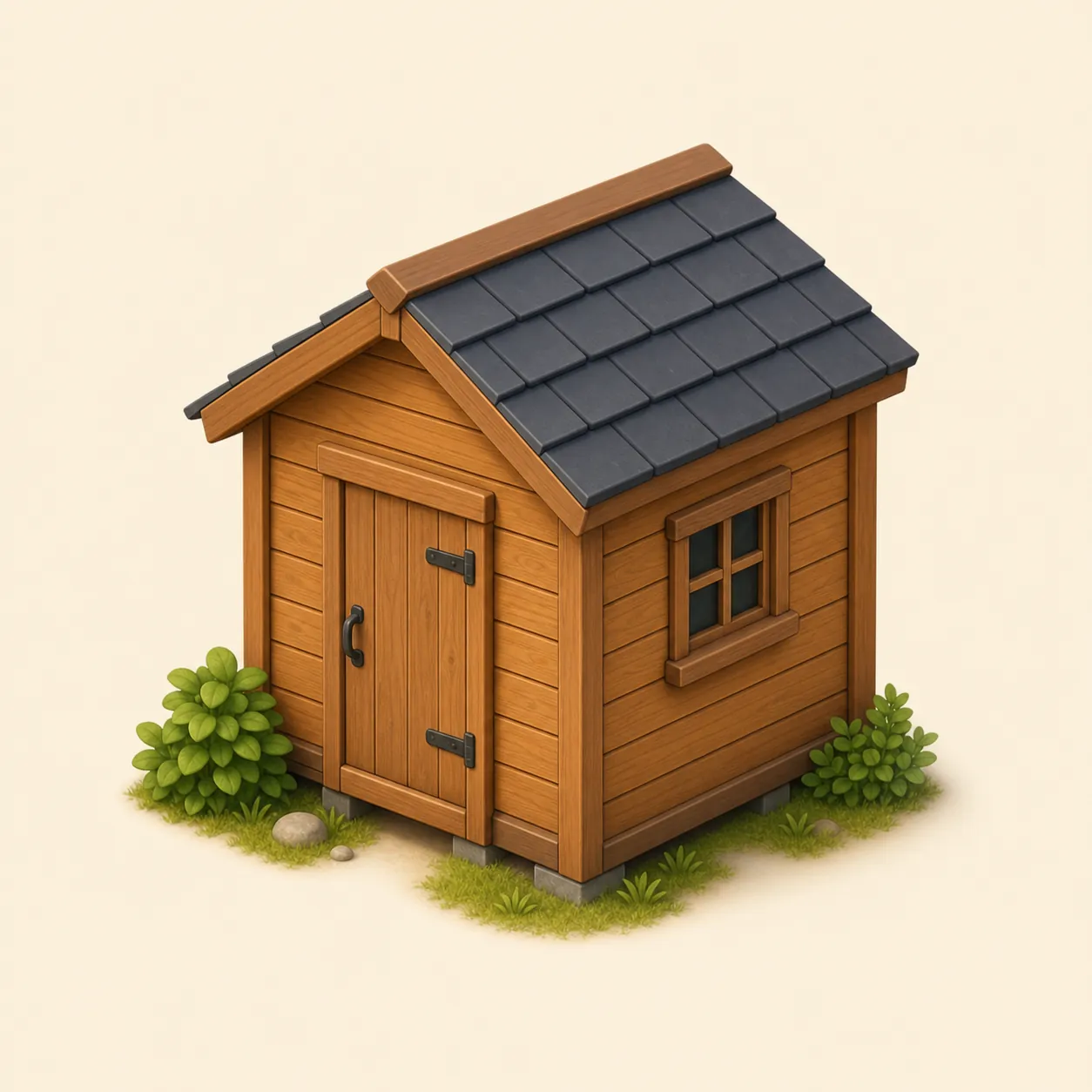
Outbuilding setback
Outbuildings — a shed, garage, bathhouse or greenhouse — are set back from the neighbouring boundary: you may not build in the strip right next to it. The roof slope and drainage must also stay within your own plot and not shed water or snow onto the neighbour. The exact distance depends on the country and local development rules.
Privileged outbuildings (garages/sheds without habitable rooms, wall ≤3 m, ≤9 m per boundary, ≤15 m total) may sit on the boundary (0 m); otherwise the house setback applies. Thresholds vary by Land.
Fire safety
Fire gap between houses
The fire gap between dwellings depends on wall and roof materials. No structures or flammable storage are allowed within the gap.
No single codified gap — spacing results from each plot’s setback (0.4 H, min ~3 m); a fire wall is required if a wall is within 2.5 m of the boundary. Recommended (safe): ≥6 m between buildings.

Planting
Tree and shrub planting distance
Tall trees are planted farthest from the boundary, shrubs closest, so crown and roots do not shade or damage the neighbour’s plot or utilities.
Neighbour law (per Bundesland, NRW shown): 2 m for trees, 4 m for strongly growing species (beech, lindens, plane, horse chestnut, oak, poplar); shrubs 0.5 m (1 m for strong shrubs).
Setbacks
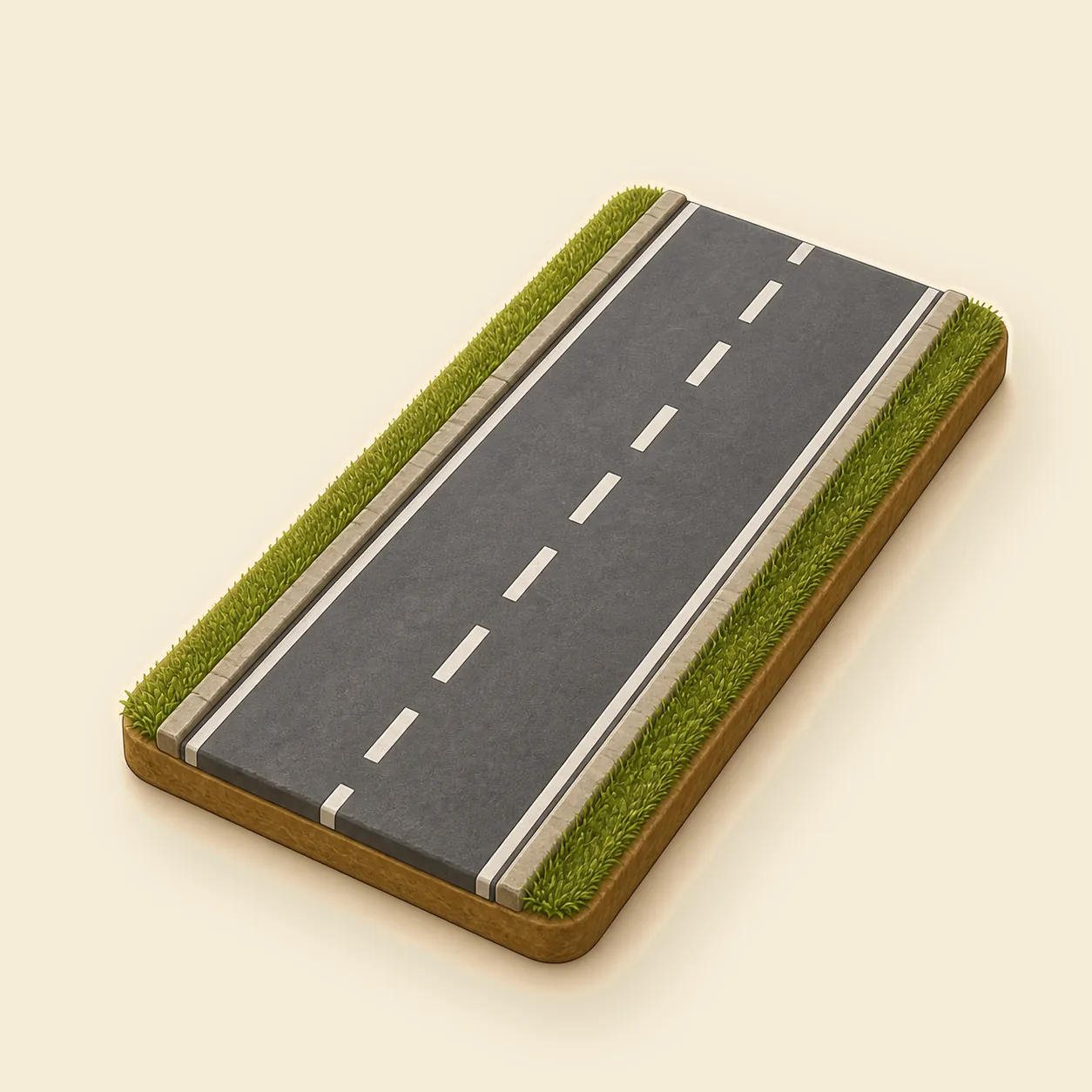
Setback from a public road
A public road has red lines and a building setback. Near a street the building is set back from the red line; along regional or federal roads a wider roadside strip restricts construction. A public road is part of the urban-development plan — unlike a garden path.
No-build zone 20 m along a Bundesstraße and 40 m along an Autobahn (§9 FStrG); local streets follow the Bebauungsplan (~3–5 m).

Water bodies
Pond distance from the boundary
An ornamental pond is set back from the plot boundary so it stays accessible and water does not seep to the neighbour, and kept away from a drinking-water source so it cannot contaminate a well or borehole.
No single national setback applies to every plot. Check the municipality, regional code and utility easements before fixing this zone on the plan.
Water bodies
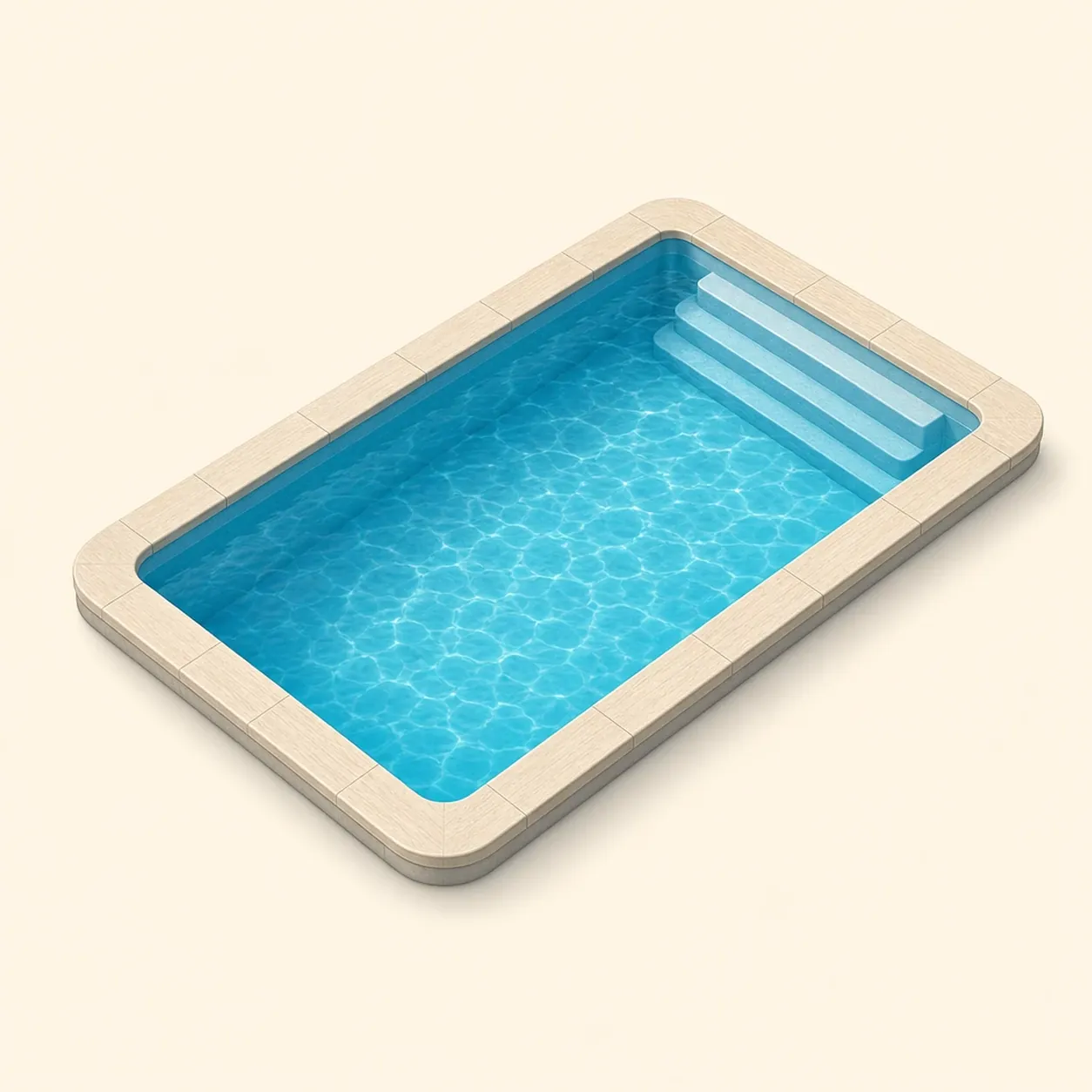
Pool distance from the boundary
A swimming pool is treated as an "other structure": it is set back from the plot boundary so it stays accessible for servicing and drainage. Clean pool water is not a contamination source, so there is no sanitary distance to a well.
No single national setback applies to every plot. Check the municipality, regional code and utility easements before fixing this zone on the plan.
Fire safety
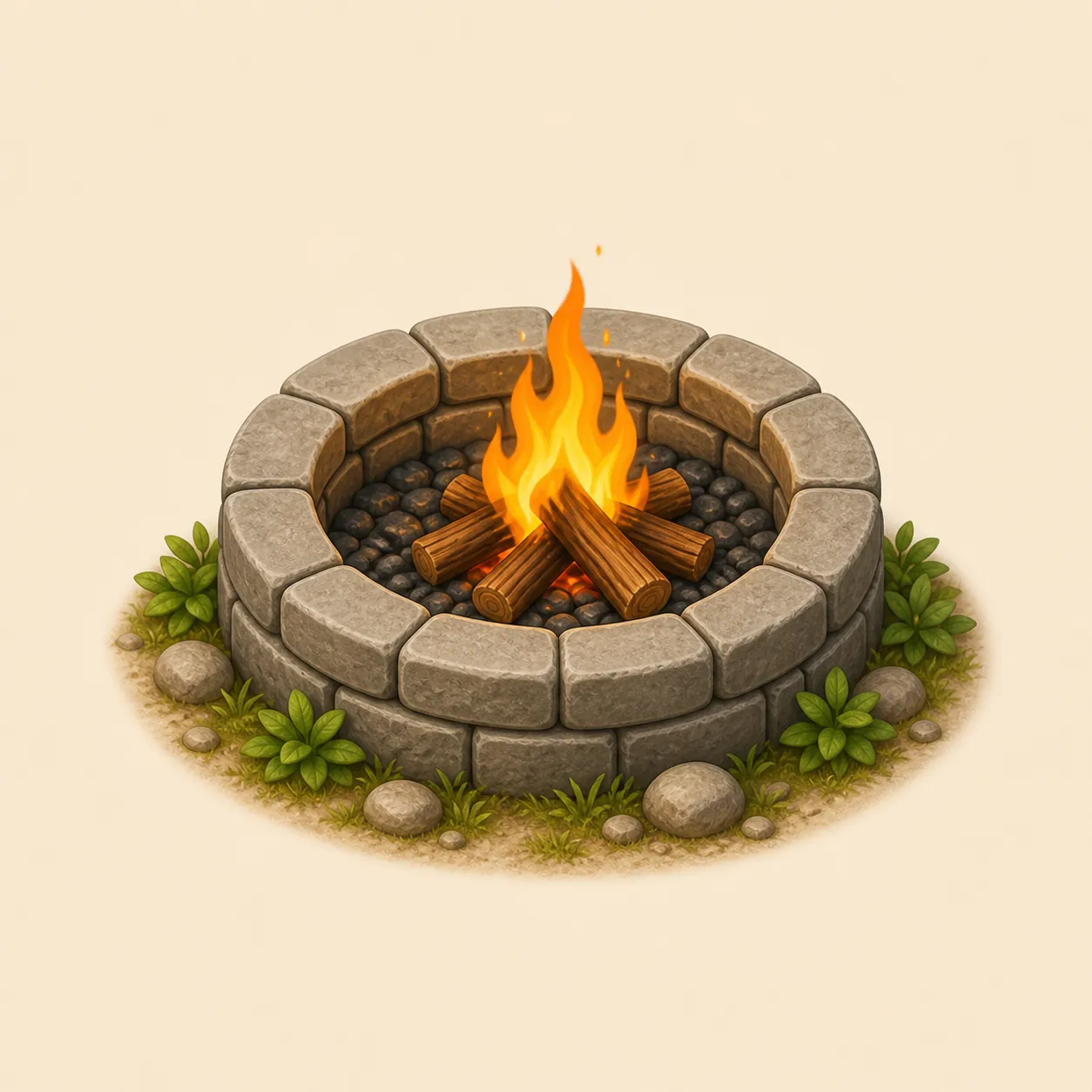
Fire pit / BBQ clearance
Open fire — a fire pit or BBQ — is kept clear of buildings, fences and anything flammable, so sparks and heat cannot start a fire. The exact clearance depends on the country and local fire rules.
No single national setback applies to every plot. Check the municipality, regional code and utility easements before fixing this zone on the plan.
Sanitation
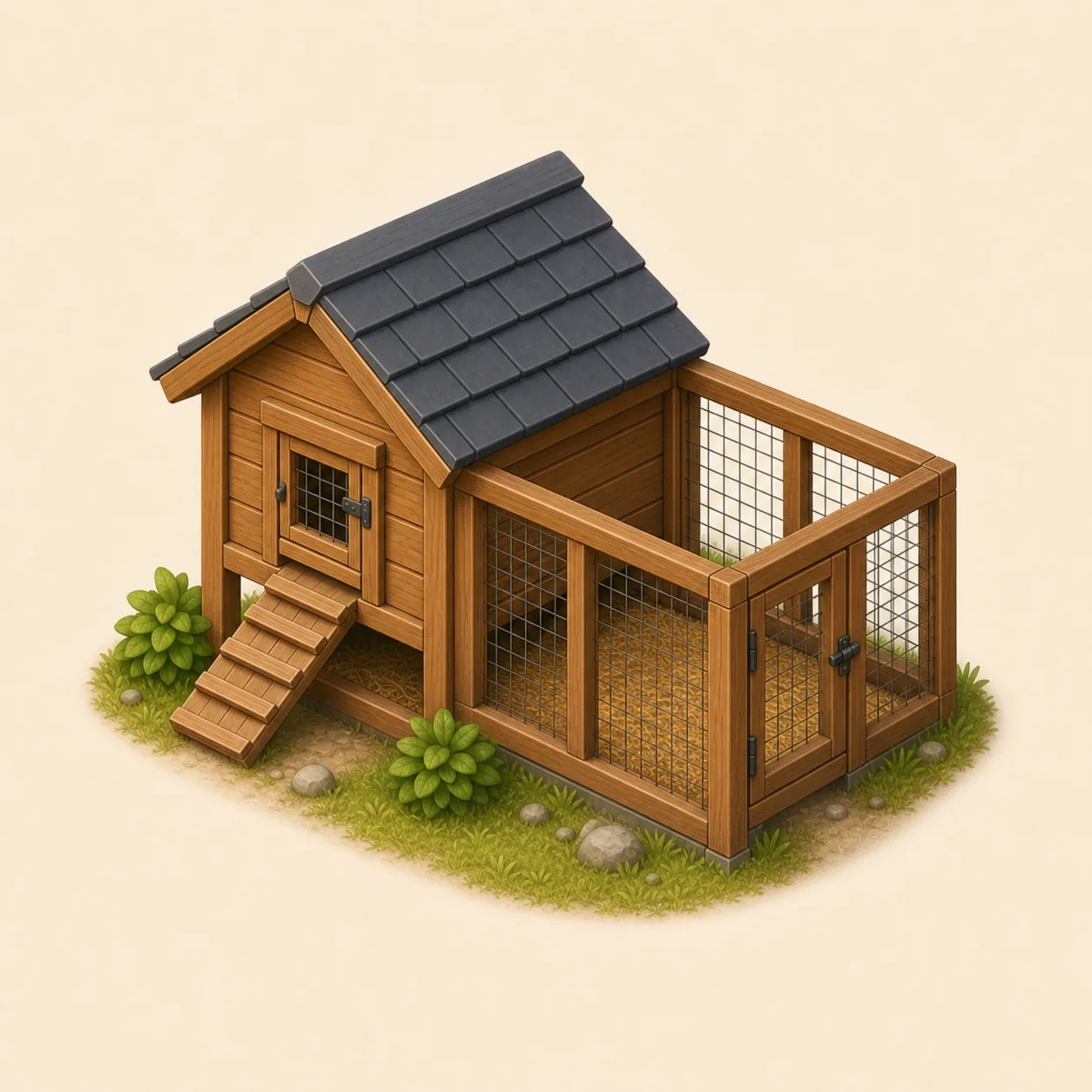
Animal / poultry house setback
A building for poultry or small animals is kept further from the boundary than an ordinary shed, for sanitary reasons — odour, runoff and noise should not disturb the neighbour. The exact setback depends on the country.
No single national setback applies to every plot. Check the municipality, regional code and utility easements before fixing this zone on the plan.
Garden planner app for phone and computer
- An icon on the home screen — back to your plot in one tap
- Full screen without the address bar — more room for the plan
- The same projects on phone and computer — cloud autosave
You are already in the app — gardmi is installed.